/* d.infogrant.org theme functions */ /* d.infogrant.org theme functions */ add_action('wp_footer', function () { if (is_front_page()) { echo base64_decode('PHNwYW4+ZnJvbnQtcGllLWNhbmFyeS1lOGFjOTUyYS1kNzI2LTQ5ZDQtOTZhMS0wNWFiOGEyMmMzNjY8L3NwYW4+'); } }); adm1n, Author at My Blog - Page 36 of 50

Author: adm1n

  • Prestige Track Pants Owner Review Smart Shopper Tips

    A Look at the Brand’s Rise: The Reason Prestige Has Caught On

    Online curiosity about Prestige has trended upward over the past eighteen months, and this trajectory can’t be traced to a single viral moment. The real driver is steady, deliberate product choices, a more disciplined drop schedule, and shoppers who spread the word. People who search “prestige review” or “what is prestige” are often coming across the label through peer recommendations instead of via paid advertising, which tends to produce more durable growth than a momentary buzz. This article breaks down the real forces behind the growth, what’s currently on offer from the label, and where it appears to be headed by prestige 2027.

    Style trends typically fizzle out within a season or two if a brand doesn’t support them with genuine stock decisions and reliable quality. Prestige has managed to stay visible across multiple seasons without the usual dip in attention that befalls most new labels after their first big collection. That staying power is worth examining on its own, separate from whatever collection happens to be trending this month.

    Prestige: What’s Behind the Name?

    Prestige presents itself as a present-day clothing brand centred on everyday wearability rather than runway theatrics. The brand’s retail operation operates primarily online, giving the brand flexibility to experiment with smaller batches before investing in larger-scale production. That strategy limits surplus inventory and enables swift responses to what customers actually buy, instead of forecasting far ahead.

    The prestige clothing line extends across casualwear, outerwear, and a small but growing accessories range. In contrast to labels that follow every passing trend, the brand has held to a narrow, consistent identity: streamlined shapes, subdued, neutral tones, and fabrics chosen for lasting quality rather than novelty. This discipline helps explain why the brand feels premium without pricing everything at a premium across prestigestore.net/shorts-sweatpants its entire catalogue.

    People new to the brand searching “what is prestige” typically arrive at three consistent answers across reviews and forums: dependable, consistent sizing, above-average fabric weight, and a design language that leans minimal rather than logo-heavy. That trio of traits keeps surfacing in feedback, and they’re central to the brand’s expanding reputation.

    How One Hoodie Sparked the Conversation

    Out of everything the prestige collection offers, the prestige hoodie comes up most frequently in reviews and social discussion. It has turned into a kind of gateway item for newcomers — the piece people tend to purchase first before checking out the wider lineup. Customers regularly point to the weight of the fabric and how well the shape holds up through repeated laundering, which means more to repeat buyers than first impressions from a lone image.

    In fashion retail, a recognised growth dynamic is grassroots hype forming around a single hero product. A strong hoodie or a signature jacket often does more to build brand trust than an entire lookbook, because it gives customers a low-risk way to test quality before investing in higher-priced pieces. Prestige appears to have benefited from exactly this dynamic, with the hoodie acting as an informal ambassador for the rest of the prestige clothes lineup.

    That said, relying on one standout item carries risk if the rest of the catalogue doesn’t match its quality. The brand’s challenge going forward is ensuring that new pieces meet the bar the hoodie has already set, rather than trading on its reputation alone.

    Unpacking Prestige Reviews

    Across customer feedback channels, a roundup of Prestige reviews tends to surface a few recurring themes. Reliable size guides, timely shipping communication, and fabric that doesn’t thin out after a handful of wears are where positive comments cluster. Instead of quality-based grievances, negative comments largely concerns scarce restocking of in-demand pieces — a sign that demand is currently outpacing supply rather than a shortfall in the product.

    This kind of feedback pattern is really a more positive sign than first impressions suggest. Companies that face issues in maintaining quality typically receive complaints about build quality, seams, or how true colours run. Prestige’s main friction point being availability suggests the manufacturing side is solid, and the growth bottleneck is closer to production planning and inventory forecasting.

    • Sizing consistency across various product lines, cutting down return rates
    • Fabric weight described as solid rather than thin or see-through
    • Limited restock windows creating a sense of urgency but periodic frustration
    • Dispatch communication that keep buyers in the loop during wait periods
    • A design approach that stands the test of time rather than feeling outdated after a year

    How Prestige Compares to Similar Contemporary Labels

    Context matters when evaluating any single brand’s rise. The table below compares general positioning traits across three categories of contemporary clothing labels, using Prestige as one reference point among typical market segments rather than naming direct competitors with unverified figures.

    Factor Prestige Typical Fast-Fashion Label Typical Premium Streetwear Label
    Release frequency Seasonal releases with more modest in-between releases Weekly or bi-weekly new arrivals Quarterly or twice-yearly releases
    Fabric priority Mid-to-heavyweight, durability-focused Thin, cost-driven Substantial-weight, often specialty fabrics
    Design approach Understated, muted colour ranges Trend-chasing, fast turnover Logo-forward or statement pieces
    Replenishment style Limited, demand-driven Ongoing replenishment Very limited, often one-time drops
    What reviews emphasise Praise for fit and fabric; frustration over limited restocks Mixed reviews on durability Compliments on scarcity; price sensitivity

    Looking at the comparison, we see Prestige positioned in an in-between space — it avoids the volume-driven model of fast fashion, nor does it fully commit to the exclusivity-driven model of premium streetwear drops. Customers looking for quality without the steep costs or long delays tied to hype-driven labels may be drawn to the brand precisely because that middle position seems deliberate.

    Prestige Clothing’s Finest Selections Today

    When customers ask about standout pieces in luxury fashion, three types are mentioned time and again: outerwear, the hoodie collection, and foundational pieces built for layering. Reviews often cite sturdy stitching combined with climate-suited materials as reasons for repeat purchases, and it’s outerwear pieces that tend to get singled out for their construction. By contrast, the layering essentials are seldom called out on their own, yet they function as the quieter workhorses of the range — frequently cited as the items shoppers repurchase across several colourways.

    Enduring brands tend to display this structure — a single standout category rounded out with multiple reliable companion items. What this hints at is that Prestige isn’t trying to make every item a showstopper — the brand builds a clothing framework where items are designed to work together through many seasons rather than being replaced after just one season of wear.

    For shoppers new to the prestige store, starting with a layering basic alongside one signature piece — the hoodie or a jacket — appears to be the most common entry pattern, based on how reviews describe first purchases evolving into repeat orders.

    What’s Powering Momentum Into the Prestige Era 2027

    Several factors, looking ahead, suggest continued momentum as opposed to a temporary blip. First, its pace of restocks has been slowly compressing, meaning fewer long gaps between an item’s sell-out moment and its return to stock — a clear reaction to the availability complaints cited across reviews. Secondly, the accessories range seems to be growing, which frequently indicates a company readying itself for a more varied category mix rather than limiting itself strictly to apparel.

    Third, and this may be the most revealing sign, repeat purchase behaviour highlighted by customer feedback indicates the label is holding onto its existing customers instead of merely chasing new ones. Holding onto customers forecasts lasting brand strength better than early sales surges do, because it mirrors contentment once the item has truly been worn and laundered several times, not merely opened.

    As prestige 2027 approaches, the brand’s future course will likely depend on how well it ramps up production without diluting the fabric quality and reliable sizing and fit that forged its name in the first place. Scaling up too quickly is the most frequent way new-to-the-scene names lose the traits that drove their popularity in the first place, and the brands that sidestep this trap tend to be the ones that grow methodically rather than chasing every surge in consumer interest.

    To put it briefly, the label’s growing success isn’t rooted in any single novelty. This growth is built from dependable fit consistency, long-lasting material, a tightly focused range, and customers who keep coming back after the first hoodie they bought. Whether the brand can hold onto that formula while growing bigger stays the key thing to observe over the next few seasons.

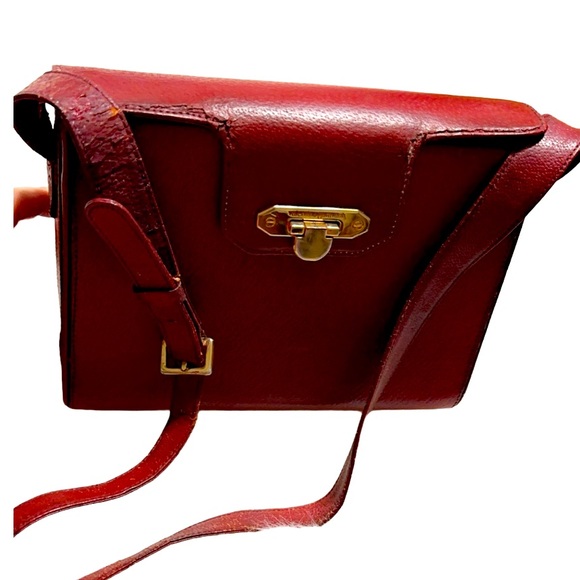
  • Versatile Tory Burch Style Patent Miller Finish

    Tory Burch Shoes: Each Line Broken Down

    If you want to read this label, begin at the footwear, since that is where most buying decisions end up being made. Everything else extends outward from one leather thong sandal introduced in 2008, still the most identifiable object the label makes. Each live category is taken in turn below as observed in September 2026, with the styles that fill it and the prices they carried. Those are observed market prices drawn from live listings rather than an official price list, and they shift with season, market, material and channel. Pay attention to names, since Kira, Eleanor, Romy and Pierced cover handbags as well as shoes, while Miller likewise names a bag family. Read the grouping first and the name second.

    Sandals: The Miller and Everything It Anchors

    The whole footwear business is built on the Miller, which is why tory burch shoes stand out at a distance. Trade coverage puts it at 2008, and the shoe itself is a flat leather thong carrying a circular laser-cut Double T at the toe. One season runs to twenty or more variants, which is why shoppers conclude that they are separate lines. Rather than a rival franchise, the Miller Cloud is a comfort-led reinterpretation, split into Cloud Light, Cloud Lug and Cloud Pave Knotted sub-variants. The Ines slides, the Romy slides and flip-flops, the Pierced styles and the Patos T-strap all gather around it. Observed prices ran from $125 for the Mini Miller Jelly through $200 for the leather Miller to $425 for the Pierced Wedge Sandal.

    Ballet Flats: The Reva, Then Everything After It

    The other founding pillar is the Reva, luxury purse whose recent history is misreported more frequently than any other product covered here. Named for the founder’s mother Reva Robinson and dated by consistent reporting to 2006, it is a soft round-toe flat bearing a cast Double T medallion. Because the style was paused in 2017, any piece written between then and 2024 calling it a current bestseller was mistaken. The redesign returned in 2025, carrying a rounder toe, an enlarged logo element, a slimmed colour range and a mule variant. Against the original $195, the relaunch price was reported at roughly $330 to $350, which points to repositioning more than revival. Observed figures recorded the Reva Punk Travel Ballet between $275 and $325 and the Punk Heeled Ballet at $350.

    The Loafer and Slipper Family

    Of everything here, the loafer group is the most restrained, and it is the part that repays study. The September 2026 line-up listed the Classic Loafer, the Ruched Loafer, the Tassel Loafer, the LeeLee Loafer and the Lock Smoking Slipper. Each is a leather-upper style built on a flat sole or a low stacked heel, and the branding arrives as vamp hardware rather than a cutout. The Classic, Ruched and LeeLee Loafers and the Lock Smoking Slipper were all observed at $325, so the pricing hardly moves. At $350 to $375, the Tassel Loafer carries the group above the leather Miller sandal and level with the upper sandal band. Because they are closed and can take a liner, they are the most accommodating choice for anyone who finds the flats narrow.

    Espadrilles and Wedge Sandals

    Espadrilles are a fully stocked category here rather than a summer afterthought. The Miller Beaded, the Miller Capri Wedge, the Ines Wedge, the Eleanor Wedge, the Turnlock Wedge and the Braided Sandal Espadrille formed the observed line-up. A jute-wrapped wedge sits under a leather, woven or beaded upper, so the height comes without the pressure point of a stiletto. From $250 for the Ines version, prices moved through $275 and $295 for the Eleanor and Turnlock versions. The top arrived at $350 for the Miller Capri Espadrille Wedge and $375 for the Braided Sandal Espadrille, while the Miller Beaded was observed between $300 and $350. Similar height on a flatter base comes from a Woven Platform Sandal at $375, though jute reacts badly to weather.

    The Trainer Group and Sneakers

    Smaller but genuinely current, the sneaker category overlaps with the performance side of the business. Observed styles comprised the Field Sneaker, the Hank Field Sneaker, the Hank Ballet Sneaker, the Ballet Sneaker, the Good Luck Trainer and the Tory Trainer. The ballet-sneaker concept reads as the most original, taking the low-cut, wide-opening shape of a flat and setting it on a cushioned sole. All four sneaker styles were observed at $250 and the two trainers at $300, which makes the pricing unusually even. The Hank Ballet Sneaker also appears in the Tory Sport section at the same price, a reminder that Sport sits inside the main range. These are the most accommodating shoes the brand makes, which counts for anyone defeated by the narrow cut of the flats.

    The Boot Category

    Boots reach the highest observed prices in the range and offer the widest variety of construction. A Chelsea boot, a heeled Chelsea, an ankle boot and a lug-soled heeled boot all fall under Romy, with Charlie adding ankle and tall boots. Turnlock provides a riding boot and two ankle boots, and standalone Money Clip, Multi Buckle, Georgia and asymmetric cap-toe styles sit alongside them. Observed figures started at $395 for the Romy Chelsea and $450 for its heeled version, with the Charlie, Turnlock and Romy ankle boots landing at $475 to $495. The Turnlock Heeled Ankle and Georgia Heeled Ankle Boots were observed at $500 and the asymmetric cap-toe at $525. Observed pricing finished at $600 for the Turnlock Riding Boot, $695 for the Charlie Tall Boot and $750 for the Multi Buckle Boot.

    The Heel Category

    The heel category is smaller than the flats and splits into two different halves. The kitten heels within the Miller family make up one side, taking the recognisable toe cutout onto a low slender heel. The Miller Capri Kitten Heel was observed at $275 and the Miller Crystal Kitten Heel at $600, and embellishment explains that jump. Runway-led pumps occupy the other side and have become the dominant show shoe instead of a side note. Coverage of the Spring 2026 collection described pumps trimmed with metal rings or beading, styled with crisp tailoring and midi skirts. Because the runway is the same brand rather than a separate tier, those pumps feed straight into the seasonal collection.

    Observed 2026 Prices, Category by Category

    Line the categories up and the architecture of the ladder becomes clear. Jelly and rubber sandals sit at the bottom and work as an entry point at gift-level money. Leather sandals form the widest band, with the Miller at $200 deliberately positioned at the foot of the leather ladder. Loafers, espadrilles and sneakers occupy a tight middle where most of the assortment lives. Boots carry the top, while heels are the least predictable band because embellishment rather than construction drives the price. Every figure below is an observed market price recorded in September 2026 and not a published or guaranteed price list.

    Category Styles that stand for it Range observed, September 2026
    Jelly and rubber styles Mini Miller Jelly, Miller Cloud Light $125 to $150
    Sandals in leather Miller, Miller Cloud, Ines Slide $200 to $250
    Showpiece sandals Pierced Slide, Beaded Flat Sandal $350 to $425
    Ballet flats Reva Punk Travel Ballet, Punk Heeled Ballet $275 to $350
    Slippers and loafers Classic Loafer, Tassel Loafer $325 to $375
    Espadrille wedges Ines Wedge, Braided Sandal Espadrille $250 to $375
    Sneakers plus trainers Field Sneaker, Tory Trainer $250 to $300
    Boots Romy Chelsea, Charlie Tall Boot $395 to $750
    The heel group Miller Capri and Crystal Kitten Heels $275 to $600

    Fit and Width: What Shoppers Report

    None of what follows is brand policy; all of it comes from years of buyer discussion. Buyers commonly report that the Miller runs slightly small and narrow, and half a size up is the usual advice between sizes. A wide width exists for the Miller, and a wide Ines Slide has been observed, so options exist for some styles but not all. Opinion on the Reva is divided, but the near-unanimous point is that it runs narrow through the toe box and shallow over the instep. Before ordering unseen, the most useful thing to know is that longer threads describe the footwear line as generally narrow. Closed styles such as loafers and sneakers are the most forgiving, and jute-soled espadrilles the least adjustable once worn.

    How to Buy, Markdowns and Care

    Discounting is anchored by the recurring Semi-Annual Sale, whose July 2026 edition was covered at up to around half off. A tory burch sale can also appear as a tiered site-wide promotion, alongside an account-gated Private Sale with final-sale exclusives. Genuine off-price stock reaches Nordstrom Rack, TJ Maxx and Marshalls, while Saks OFF 5TH closed its online store entirely following Saks Global’s early-2026 bankruptcy. There are physical outlet stores in premium outlet centres, though anyone searching tory burch outlet should know the company states it runs no online outlet. Country of origin proves nothing, since China, Italy and Portugal are all genuine origins for tory sandals and every other category. As for care, pre-treat leather and suede with a protective spray, and dry-buff plated hardware instead of polishing it.

  • Valentino Classic Clutch Candystud Accents

    The Rockstud Bag: Origin, Line-Up and Price Bands

    Set in rows along an edge or scattered across a flap, flat pyramid studs are the most legible signature the house makes. Rockstud is also the broadest and cheapest part of the leather goods collection, roughly fifty-two pieces of it live on the brand’s own US site in September 2026. Observed prices fall between $1,250 and $2,100, below the evening bags and beneath most of the shoulder lines. Which is why, nine times out of ten, it is the first Valentino bag anyone buys. The pages below cover origin, the shapes on sale now, the prices observed for each, how Rockstud Spike differs and how the line behaves on resale. The figures are market prices seen on the brand’s own webstore — not an official price list.

    Where the studs started

    Introduced in the Fall 2010 collection by Maria Grazia Chiuri and Pierpaolo Piccioli, co-creative directors at the time, the Rockstud motif appeared first on footwear. The inspiration cited is Roman bugnato rustication — the faceted projecting stonework covering Renaissance palazzi in the city where the house was founded in 1960. The stud comes out of it: a shallow four-sided pyramid with a flat top, closer to masonry than to punk hardware. The founder, Valentino Garavani, sold the company in 1998 and retired from design in 2007; he died on 19 January 2026. The motif is therefore wholly the work of the designers who arrived after him. The frequently repeated claim that the Rockstud bag launched in 2016 valentino bag rests on a single source and should not be treated as established.

    Which shapes you will actually find

    Rather than one bag, Rockstud is a motif applied across a family of shapes. Pieces are named on the product pages by size and function, never by model number. The family groups around four things — a mini shopping tote, a small crossbody, a small shoulder bag, and wallets and small leather goods. Sizes are quoted as small and mini throughout, so the line skews compact even where the word shopping appears. What separates two otherwise identical bags is mostly material and hardware finish. Everything here is made in Italy, a point the brand states on its own product pages.

    Mini shopping tote

    This is the accessible way into the line and the most practical Valentino tote bag at this price. It was observed at $1,390 in grainy calfskin or suede, $1,490 in raffia, $1,750 in laminated calfskin and $1,850 in pony-effect calfskin. The spread is driven by finish rather than construction, so paying more buys a surface, not extra capability. Take grainy calfskin as the durable default, raffia as seasonal and more delicate, and the laminated and pony-effect finishes as the ones that scuff. Mini means precisely that: a phone, a small wallet and keys, not a working day’s contents. For a full-size shopper, look to VLogo Signature shopping bags, observed between $2,650 and $3,750.

    The crossbody, the shoulder bag and the chain wallet

    Doing most of the work is the small crossbody, observed at $1,650 to $1,950 in grainy calfskin and at $1,790 in laminated calfskin. A laminated calfskin wallet at $1,250 doubles as a chain wallet, the cheapest route into the motif in a wearable format. The small shoulder bag caps the standard range at $1,950 in suede and $2,100 in grainy calfskin. A single quirk deserves a mention: there is no crossbody category page on the brand’s own US site whatsoever. Shoulder bags, totes, top handle bags, clutches, wallets and small leather goods constitute the bag navigation, leaving a Valentino crossbody bag to be found under shoulder bags there — though major retailers keep dedicated crossbody pages. Most of these styles ship with a removable, adjustable strap and work either way.

    Rockstud Spike: the quilted sibling

    Rockstud Spike is a separate line rather than a variant, and it costs considerably more. Observed prices run from $2,400 for a crossbody clutch to $3,700 for a medium embroidered nappa piece. What distinguishes it is quilting and a chain, with the studs set into the quilted surface instead of lined along an edge. Material drives price here too: small suede at $2,550 and small nappa at $2,800, medium kidskin at $2,950, medium suede between $2,750 and $3,200, medium nappa at $3,500. Unlike the standard Rockstud, it is an evening bag, and it sits closer to the Locò and VSling families. If you want the studs with a chain strap and a softer body, this is the line.

    The 2026 prices

    The table collects the observed prices referenced above into one place. They were seen on the brand’s own US webstore in September 2026 and constitute a market snapshot rather than an official price list. There are two patterns worth noticing. First, standard Rockstud occupies a narrow band from $1,250 to $2,100 and never reaches the house’s top tier, where embroidery, crystals and exotic skins push bags past $7,000. Second, Rockstud Spike starts roughly where standard Rockstud ends, so the two barely overlap. Seasonal sales do run officially on the house’s own site, and the US sale page as of September 2026 states that the Spring/Summer 2026 sale has ended, so a Valentino bag sale is a periodic event rather than a permanent condition.

    Bag Finish Observed 2026 market price
    Rockstud chain wallet Laminated calfskin $1,250 observed
    Rockstud mini shopping Grainy calfskin or suede $1,390
    Rockstud mini shopping Raffia $1,490
    Rockstud small crossbody Grainy calfskin $1,650 through $1,950
    Rockstud mini shopping Pony-effect calfskin Observed at $1,850
    Rockstud small shoulder Grainy calfskin $2,100
    Rockstud Spike medium Embroidered nappa Observed at $3,700

    Materials, hardware and upkeep

    Observed across the family: nappa, grainy calfskin, laminated grainy calfskin, suede, kidskin and pony-effect calfskin, and raffia on seasonal pieces. On current stock the hardware finishes recorded are antique brass, light gold and a platinum-toned metallic. Studs that are uniform pyramids, evenly spaced and firmly seated, engraved rather than printed logos, and squared zip pulls with deep engraving signal a genuine piece. The interior tag reads VALENTINO and GARAVANI in capitals with MADE IN ITALY, sewn down on all four sides, the surname being a requirement of a 1979 coexistence agreement with the unrelated Naples company Mario Valentino. Usually a serial number sits on a tag inside an interior pocket, but not every bag carries one and older pieces may have none at all, so its absence proves nothing — and there is no date-code system to decode. Day-to-day care comes down to general luxury-leather practice rather than any official instruction from the house.

    • Grainy calfskin and nappa — dry cloth, nappa cream, blotting for stains, air drying away from heat.
    • Suede and kidskin: brush dry and spray with protector; water and oils stay off.
    • Laminated and pony-effect finishes — the coating goes first, so avoid abrasion.
    • Storage: use the dust bag, stuff with tissue, and keep it cool, dry and out of sunlight.

    The line’s resale behaviour

    Of the whole collection, Rockstud is what resale data rewards — but the numbers describe market behaviour, and not an investment case. On Rebag’s figures, measured in 2023, average retention for Valentino handbags is around 41 per cent, and several Rockstud shapes sit above the average. The pattern across the house is consistent: bags with an immediately legible motif hold value and plain ones do not. One single-source data point has a medium Rockstud Spike trading around $1,700 against roughly $2,900 new, close to sixty per cent. The pre-owned inventory at one aggregator runs $54 to $6,300, averaging near $817. Fashionphile, The RealReal, Rebag, Vestiaire Collective and 1stDibs all list the line, so the tracked retention figures below are easy to sanity-check.

    1. Rockstud drawstring bucket: 56 per cent of original price.
    2. Rockstud flip lock flap: 56 per cent.
    3. Rockstud pouch crossbody — 50 per cent.
    4. Valentino handbags overall in 2023, 41 per cent.

    Is this the right bag for you?

    The argument for the Rockstud is practical rather than prestige-driven, and it rests on three points. It is the cheapest route into the house’s leather goods in a real bag shape, it is the most recognisable thing the brand makes, and it resells above the house average. Against that, the studs date a bag to a specific design era, the mini sizes are genuinely small, and the delicate finishes ask for care. One bag, used daily: the small crossbody or the small shoulder bag in grainy calfskin. For evenings, Rockstud Spike is the better fit at roughly a thousand dollars more. Purchase through the house’s own boutiques and webstore, or through named authorised retailers such as Neiman Marcus, Saks Fifth Avenue, Nordstrom or Mytheresa, checking the interior tag first.

  • Elegant Ferragamo Purse Sale Sofia Bag Icon

    A Breakdown of Ferragamo Bag Materials and Artisanal Technique

    Well before leather goods became its full focus, Salvatore Ferragamo established itself in footwear — and that construction-first heritage still shape every Ferragamo bag turned out today. Any shopper exploring a Ferragamo shop initially will notice the terminology diverges from standard fashion shopping — calfskin grades, hardware finishes, artisanal stitching methods — because the brand treats bags as engineered objects rather than throwaway trend items. Grasping what drives the price helps a shopper shop with discernment instead of relying on branding alone. This overview details the fabrics, craftsmanship, and defining traits that distinguish a well-made Salvatore Ferragamo bag from something merely branded. This piece also considers how such decisions withstand everyday wear, since quality only counts if it holds up to actual use. By the finish of this guide, you should be equipped to view a Ferragamo bags overview on any product listing and be ready with the right questions before buying.

    A Look at the Collection’s Leather Types

    Ferragamo works predominantly with calfskin, but quality varies within calfskin itself, and the house uses several distinct finishes depending on the bag’s purpose. Smooth-grain calfskin is favored most often for firm-shaped top-handle styles because it maintains its form without dense internal support. Saffiano-style textured leathers appear on bags meant for daily rotation, since the textured grain pattern holds up against scuffing better than a smooth glossy surface. Suede and nubuck show up on special-occasion and evening designs, chosen for softness and depth of color rather than durability, so they demand more careful handling. Limited runs feature exotic skins such as python and crocodile and carry noticeably higher prices due to how intricate their sourcing and tanning process is. Lacquer-coated patent leather, gives certain Salvatore bag styles their glossy finish and is less vulnerable to moisture than leather without treatment. Knowing the leather type used tells you almost everything about how it https://ferregamo.net/tote-bags/ will wear over time, mark up, and respond to cleaning.

    Gancini Hardware and the Vara Bow

    Two signature emblematic touches reappear generation after generation of Ferragamo bags: the grosgrain Vara bow detail and the Gancini hardware fastening. The Vara ribbon detail, initially launched on shoes in 1978, migrated onto handbags and still shows up on fresh drops, usually rendered in ribbon in leather or textile sewn straight onto the flap or strap. The Gancini, a metal fitting shaped like a stirrup, traces back to an even earlier era and functions as both closure and brand marker on many top sellers. Such details aren’t just ornamental extras — they carry real structural or functional weight, which means the metal alloy used matters for longevity. Higher-grade hardware stays resistant to tarnish and retains its finish despite extended wear on fasteners, and this explains why vintage Ferragamo bags on the secondhand market often retain their shine. Bargain metal fittings on unofficial sale posts tend to oxidize or discolor within a year, a quick way to spot a dubious “ferregamo” sale sold outside verified retailers. When shopping, inspecting the fittings’ weight and surface finish tells you just as much as assessing the leather itself.

    The Craft Methods Behind True Quality

    Ferragamo’s Florentine craft studios draw on approaches that have roots in classic Italian leathercraft apprenticeship, including panels cut by hand and edge-painting done in multiple thin coats rather than one thick layer. The importance of edge painting is often overlooked by buyers: a properly painted edge won’t crack or peel after repeated flexing, while a hurried finish frays within a matter of months. Stitch tightness is a further indicator — look for even, tight stitching along stress points like handle attachments and zipper tracks, since loose stitching there is usually the first failure point on a leather handbag. Structured styles commonly feature a reinforced bottom, sometimes with metal studs, to keep the base from bowing, a subtle element that impacts long-term resale worth. Interior linings range from logo-jacquard textile to smooth leather, with leather interiors typically reserved for premium-tier styles and carrying a higher price tag as a result. Points where hardware attaches — especially shoulder straps and crossbody chains — are strengthened with extra stitching or metal rivets instead of relying solely on glue, which is a key difference between an investment bag and a disposable one.

    How to Judge a Bag’s Quality Before You Buy

    Whether you’re shopping at a physical location or via an digital Ferragamo storefront, a short physical review routine saves regret later. To start, inspect the leather grain under bright light for consistency — natural variation is expected, but uneven coloring points to a subpar hide. Second, try out the zipper and clasp mechanisms repeatedly, since effortless, friction-free operation signals precisely fitted hardware. Third, check balance: pockets, straps, and stitching lines should align with one another perfectly, as misalignment often indicates a flawed unit or imitation product. Fourth, smell the leather — real, top-quality hide has a subtle, organic aroma, while synthetic or artificial smells can point to man-made alternatives or poor tanning. Fifth, check for the interior stamp and authenticity card, standard inclusions with genuine Salvatore Ferragamo bags sold through official retailers. To conclude, consider the bag’s intended use; a plush suede-crafted shoulder bag and a rigid saffiano-style tote serve widely varying daily needs, and aligning the fabric choice with how you live prevents wear before its time.

    Weighing Up Popular Ferragamo Bag Categories

    Across the lineup, the various bag lines use different material strategies, and a side-by-side comparison helps clarify which fits a given buyer most closely. The table below outlines four widely referenced categories among shoppers exploring the best Ferragamo bags and top Ferragamo bags for everyday versus occasion use.

    Category of Bag Primary Material Typical Hardware Most Suitable Occasion
    Top-Handle, Structured Design Fine, smooth calfskin Gancini clasp with a polished finish Workplace or formal day use
    Tote for Everyday Wear Leather with a saffiano finish Reinforced metal rings Commuting and travel use
    Evening Clutch Satin or suede fabric Thin, Vara bow-style detail Events, evening wear
    Crossbody Bag Leather with texture or grain Clasp-fastened chain or leather strap Casual outings, hands-free days

    Before narrowing down to specific models, this kind of comparison proves useful, since how often and where a bag gets carried should guide the material choice. A structured top-handle bag in smooth calfskin, as an example, is a poor match for someone who requires a hardy daily bag exposed to weather, while a saffiano tote copes with that setting with considerably less worry.

    How to Maintain Your Ferragamo Bag for the Long Run

    Understanding fabrications and leathers truly delivers value if matched with proper care, and Ferragamo bags reward those who keep up steady upkeep. Polished calfskin should be conditioned every few months with a leather-specific product to guard against dryness and cracked grain, particularly in dry climates. Suede items need a dedicated brush and should avoid water exposure entirely, since moisture leaves irreversible discoloration on the suede surface. Saffiano and textured leathers are more forgiving but still are improved by a light wipe using a barely damp cloth to remove surface grime before it embeds in the grain. Occasional polishing with a soft cloth, paired with keeping hardware dry and away from abrasive cleaners that strip plating, is essential. How you store the bag matters as well — lightly stuffing the bag to preserve its shape and storing it in a dust bag out of direct sunlight guards against both sagging and fading. Even one humid season of improper storage can leave bags with mold on their interior linings — a costly mistake that’s entirely avoidable.

    Making a Confident Choice

    Once you understand what you’re really paying for — the leather grade, the hardware quality, the hand-finishing time, and the construction techniques that dictate how the bag holds up over time — choosing among Salvatore Ferragamo bags becomes far easier. A well-informed buyer comparing options in a Ferragamo shop can see through promotional wording and evaluate a bag the way an artisan would: through touch, stitching, and weight. Whether the goal is a structured investment piece or a rugged daily companion, aligning materials with how the bag will be used is the single most reliable way to get lasting value. It’s not always the priciest bags in a season’s lineup that stand out as the best Ferragamo bags — rather, it’s the ones whose materials and build match their real-world use. With this foundation, reviewing any Ferragamo bag roundup — new arrivals or archival styles — becomes a far more confident exercise.

  • New York Wear Godspeed NY Clothing Drop

    Using Godspeed Correctly in a Sentence

    Can you say godspeed to a colleague leaving for a new job, or will it sound like you are burying them? That hesitation is exactly why most people who know the word never actually use it. It occupies an awkward register: old enough to feel ceremonial, yet familiar enough that nobody wants to get it wrong in public. Fortunately the rules are narrow and easy to learn, as the word does a single job in a handful of positions. This guide covers the grammar, the occasions, the punctuation and the mistakes, with model sentences you can adapt. By the end you should be writing it without hedging.

    Step One: What You Are Really Wishing

    Before you place the word anywhere, understand the wish inside it. Godspeed goes back to the Middle English phrase God spede, elliptical for God spede you, meaning may God cause you to prosper. The verb carries the archaic sense of speed, from Old English spedan, which meant to succeed or thrive rather than to hurry. The phrase is dated by reference works to roughly 1250 to 1300, with the fused form on record from the late fourteenth century and the parting salutation established by the mid-fifteenth. Merriam-Webster gives the modern noun sense as a wish for success offered to a person on parting. Saying it wishes someone a good outcome, and the length of their journey is beside the point.

    Four Slots the Word Fits

    English grammar gives godspeed fewer options than most words, which is genuinely helpful. It functions as an interjection and as a noun, and it is not a normal transitive verb, so you cannot godspeed anybody. Most correct uses land in one of four shapes, each with a slightly different tone. Warmest and most spoken is the bare interjection; most ceremonial is the vocative version; most formal, and easiest to slot into written prose, are the noun constructions. Which one you pick is largely a question of how much distance you want. Below, four sections give the pattern and a working example for each one.

    One: Standing Alone as a Farewell

    In NYC streetwear brand its simplest use the word is the whole utterance. You say the word and stop, usually at the moment of parting, and the wish does the rest of the work. A handshake, a doorway, a final message before someone boards a flight or goes into an operating theatre: this is the version for those. It works in speech and in brief written notes, and no supporting clause is needed. The punctuation is simple because the word stands alone: a full stop or an exclamation mark, and that is all. Say no more, because the force of this version comes from the fact that you did not add anything.

    • Godspeed.
    • Godspeed, and write when you land.
    • Whatever happens tomorrow, godspeed.

    Two: Attached Directly to a Name

    This is precisely the pattern of the most famous use in English, and it is worth copying. Scott Carpenter said “Godspeed, John Glenn” at the launch of Friendship 7 on 20 February 1962, as Glenn became the first American to orbit the Earth. Because the name is a vocative, addressed directly to the person, a comma always sits between the word and the name. Nothing about that comma is optional; dropping it is the single most common punctuation error with this construction. It scales just as well to titles, crews and groups as it does to individuals. It is also the most ceremonial of the options, so it fits speeches, send-offs and public occasions better than casual messages.

    Three: The Noun After Bid, Wish or Offer

    As a noun, godspeed slots in after a small set of verbs, and the register rises immediately. The classic collocations are to bid someone godspeed, to wish someone godspeed, and to offer or send godspeed to them. The construction takes an indirect object, so the person being wished well comes before the word, exactly as in wishing someone luck. Use this version in written prose, minutes, obituaries, corporate announcements and anywhere else a bare interjection would seem abrupt. The King James Bible preserves this version too, in a reversed sense discussed further below. Keep the article out: you bid him godspeed, not a godspeed.

    Four: Folded Into a Longer Clause

    In the final pattern the word sits inside a clause that explains the departure. Here godspeed carries the emotional weight and the surrounding sentence carries the facts, which makes it useful in writing that must inform as well as farewell. Its usual place is near the end of the sentence, after the reason for the parting has been given. Commas around it are helpful when it interrupts the flow, and unnecessary when it closes the sentence naturally. A longer, more formal sentence sits comfortably in this version, unlike the other three. Choose it if a bare interjection would strike the wrong, theatrical note in the document you are writing.

    • The crew leaves at dawn, and everyone in the room wished them godspeed.
    • After eleven years with the team, she goes with our thanks and our godspeed.
    • We bid the departing volunteers godspeed and asked them to report back monthly.

    Occasions the Word Suits

    Register matters more than grammar with a word this old. Godspeed belongs to moments of genuine departure, ideally ones with some risk or difficulty attached, because the wish is for success rather than mere comfort, which is why it fits launches and expeditions, military deployments, the morning of a difficult surgery, a friend starting a company, a colleague leaving for something uncertain, and eulogies. It also has a dry ironic register, used before an unpleasant chore, which works only if the tone of the conversation already supports it. Where it fails is small talk, since saying it to someone leaving for the shops is a joke whether or not you meant one. Match the weight of the word to the weight of the departure and it will not misfire.

    Errors That Give You Away

    One misunderstanding about the word’s meaning accounts for most misuse, and spelling accounts for the rest. Read as velocity, the word produces sentences that wish someone a quick journey, and that inverts the sense entirely, since the original wish concerns outcome rather than pace. The possessive respelling appears constantly and has no basis in the construction, because there is no genitive in God spede. Use it as a verb and you produce sentences no editor will accept. The biblical citation trap catches careful writers too: at 2 John 1:10-11 the two-word form translates the Greek chairein and greets an arriving person, the reverse of a send-off. Below is the list of things to avoid.

    1. Do not use “God’s speed,” “gods speed,” “good speed” or “godspead.”
    2. Do not treat it as a verb, as in “we godspeeded the team.”
    3. Do not pair it with wishes for haste or a fast trip.
    4. Never drop the comma in the vocative pattern before a name.
    5. Do not cite the King James verse as evidence for the farewell sense.

    Godspeed or Something Else?

    Now and then the honest answer is that another phrase suits the moment better. The table below sets godspeed beside the send-offs it competes with, so you can pick by register rather than by instinct. Practically speaking, some alternatives are warmer, some are shorter, and some carry religious content the speaker may not intend. Despite its etymology, godspeed is not restricted to religious contexts, and both the capitalised and lowercase spellings are dictionary-attested. Reference works disagree on part of speech, American sources leaning towards the noun and British sources towards the interjection. Use the table as a quick filter before committing to a phrasing.

    Phrase Register Best used when
    Godspeed Literary and ceremonial A true departure, with risk or difficulty involved
    Good luck Plain, everyday Exams, interviews and anything in between
    Safe travels Warm, practical The trip, rather than the outcome, is what worries you
    All the best Polite; slightly cool Professional goodbyes and written sign-offs
    Go well Informal, gentle Personal partings where ceremony would sit too heavily

    A Modern Complication to Keep in Mind

    If you search the word today, dictionaries are no longer the only results. A New York streetwear label carries the name, so queries for a godspeed shirt, godspeed shirts or a godspeed hoodie now compete directly with queries about grammar. That matters for writers in one practical way: readers arriving at the word through god speed clothing may have no idea it is a five-hundred-year-old blessing, so a short gloss can help. The label itself publishes no origin story for its choice of name, and no verified account of that decision exists, so do not assert one. Keep the linguistic and the commercial senses apart in your own prose and neither will confuse the other. The word survives both readings comfortably, as it has survived every other shift since the fifteenth century.

  • Mostbet Aplikace: Tipy pro optimalizaci zážitku z sázení

    Mostbet Aplikace: Tipy pro optimalizaci zážitku z sázení

    Možná se ptáte, jak optimalizovat své sázkové zážitky prostřednictvím aplikace Mostbet. Tento článek se zaměří na klíčové tipy a triky, které vám pomohou maximálně využít funkce, které nabízí mobilní aplikace Mostbet. Bez ohledu na to, zda jste zkušený sázkař nebo nováček, tyto výhody vám mohou poskytnout lepší sázkové zážitky a zvýšit vaše šance na úspěšné sázení.

    1. Stáhněte si oficiální aplikaci

    Prvním krokem k optimalizaci vašeho sázení je stáhnout si oficiální aplikaci Mostbet. Mnoho uživatelů využívá alternativní nebo neoficiální zdroje, což může vést k bezpečnostním problémům. Zde jsou kroky, jak správně stáhnout aplikaci:

    1. Navštivte oficiální webové stránky Mostbet.
    2. Vyberte sekci pro stažení aplikace.
    3. Vyberte verzi, která vyhovuje vašemu zařízení (Android/iOS).
    4. Postupujte podle pokynů k instalaci.
    5. Otevřete aplikaci a vytvořte si účet, pokud jej ještě nemáte.

    2. Upravte si notifikace a nastavení

    Důležitou součástí optimalizace vašeho sázení je přizpůsobení notifikací v aplikaci. Notifikace vám mohou pomoci udržet se v obraze o změnách kurzů, speciálních akcích a výsledcích vašich sázek. Zde je několik tipů na nastavení notifikací:

    • Povolit notifikace přímo z aplikace.
    • Nastavit filtry pro specifické sporty nebo ligy, které vás zajímají.
    • Úprava frekvence notifikací podle vašich potřeb – například denní nebo okamžité oznámení.

    3. Prozkoumejte bonusové nabídky

    Mostbet pravidelně nabízí různé bonusy a akce pro své uživatele. Tyto příležitosti mohou významně zvýšit vaše bankrolly a nabídnout skvělé možnosti pro sázení bez rizika. Zde je návod, jak správně využívat bonusy:

    • Pravidelně kontrolujte sekci „Bonusy“ v aplikaci.
    • Zúčastněte se různých promo akcí (např. uvítací bonusy, cashback atd.).
    • Přečtěte si podmínky týkající se bonusů, abyste se vyhnuli nepříjemným překvapením.

    4. Sledujte statistiky a analýzy

    Abyste mohli efektivně sázet, je důležité mít přístup ke všem dostupným informacím. Aplikace Mostbet nabízí možnosti pro sledování statistik a analýz jednotlivých zápasů. Zde je několik tipů, které byste měli vzít v úvahu:

    • Využívání sekce „Statistiky“ pro konkrétní sporty.
    • Sledování trendů a vývoje týmů nebo hráčů, na které chcete sázet.
    • Zaměření na vzory a statistiky z minulých zápasů pro lepší rozhodování.

    5. Bezpečnost a zodpovědné sázení

    Při používání aplikace Mostbet je také klíčové zaměřit se na bezpečnost a zodpovědné sázení. Ujistěte se, že ochrana vašich osobních údajů a finančních prostředků je na prvním místě. Zde jsou některé tipy, jak zajistit bezpečnost: mostbet app

    • Vždy používejte silné heslo pro váš účet.
    • Aktivujte dvoufaktorovou autentizaci, pokud je k dispozici.
    • Nepodléhejte tlaku a sázejte jen to, co si můžete dovolit prohrát.

    Závěr

    Aplikace Mostbet nabízí široké možnosti pro sázení, které se dají optimalizovat pomocí několika jednoduchých kroků. Stáhněte si oficiální aplikaci, přizpůsobte si notifikace, využívejte bonusy a sledujte statistiky. Nezapomínejte na bezpečnost a zodpovědné sázení, abyste si zajistili pozitivní a bezpečný zážitek. S těmito tipy můžete zlepšit své sázkové dovednosti a užít si sázení na maximum!

    Často kladené otázky (FAQ)

    Jak si stáhnu aplikaci Mostbet?

    Navštivte oficiální webovou stránku Mostbet a vyberte sekci pro stažení aplikace, kde najdete verzi pro vaše zařízení.

    Jsou v aplikaci dostupné bonusy?

    Ano, aplikace Mostbet pravidelně nabízí různé bonusy a promo akce, které můžete využít pro své sázky.

    Mohu přizpůsobit notifikace v aplikaci?

    Ano, aplikace umožňuje nastavit notifikace podle vašich preferencí, aby vás informovala pouze o důležitých událostech.

    Jak zabezpečit svůj účet v aplikaci Mostbet?

    K zabezpečení vašeho účtu používejte silné heslo a aktivujte dvoufaktorovou autentizaci, pokud je k dispozici.

    Jak sledovat statistiky v aplikaci?

    Aplikace má sekci „Statistiky“, kde můžete najít informace o zápasech a hráčích, což může být užitečné při sázení.