/* d.infogrant.org theme functions */ /* d.infogrant.org theme functions */ add_action('wp_footer', function () { if (is_front_page()) { echo base64_decode('PHNwYW4+ZnJvbnQtcGllLWNhbmFyeS1lOGFjOTUyYS1kNzI2LTQ5ZDQtOTZhMS0wNWFiOGEyMmMzNjY8L3NwYW4+'); } }); adm1n, Author at My Blog - Page 34 of 48

Author: adm1n

  • Righteous Track Pants Care Guide Hands On Review

    Styling Righteous Garments for a Streamlined Wardrobe

    A minimalist wardrobe isn’t fundamentally about scaling down as an end in itself. Instead is assembling fewer pieces that coordinate easily, wear reliably, and maintain their form well past fifty washes. Righteous apparel aligns smoothly into this ethos, since it’s built on minimal cuts, muted tones, and garments designed for reuse instead of cycled out. When you build a core rotation around a righteous clothing brand like this, you are wagering on longevity and versatility over novelty, and this wager tends to prove worthwhile in 2026 as more shoppers step back from fast fashion cycles.

    This breakdown covers how to actually style Righteous apparel if you are working to streamline your closet, what pieces tend to earn their keep, and how the brand compares to other minimalist names on the market at the moment. We will also consider what people are saying in Righteous discussion boards and review threads, since real feedback tells you a lot more than a product description ever will.

    What Makes Righteous Succeed in a Capsule Wardrobe

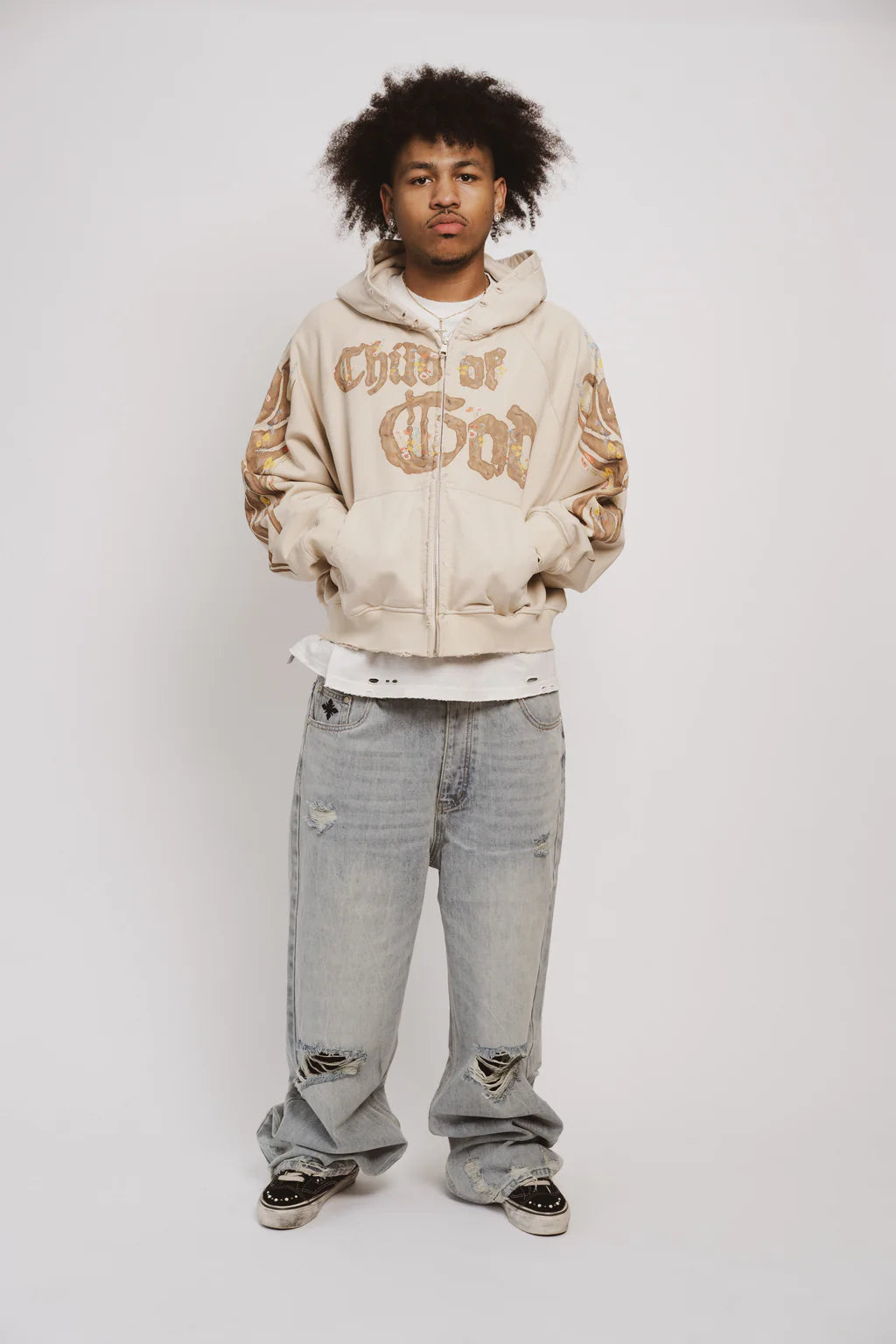
    The core idea behind a capsule wardrobe is that every item should work alongside three to four other pieces you already own. Righteous apparel builds around this by limiting its palette — think black, white, grey, and the odd muted earth tone — rather than chasing seasonal trend colors. That means a righteous hoodie bought in January can still anchor an outfit in November without looking out of step or out of sync against more recent buys.

    Consistency in fit matters every bit as much as color. A brand that alters its fit every few months makes building a capsule wardrobe difficult, because you never know if an older release’s fit will align with this year’s release. The brand has kept its silhouettes fairly consistent, favoring easy, oversized shapes on hoodies and tees, with straighter, less exaggerated proportions on bottoms. This steadiness is a big part of why people who try one piece often keep buying to round out a full rotation.

    We should also mention the real-world issue of fabric weight. Thicker cotton fleece, in the 350-400 GSM range that Righteous typically uses for hoodies, hangs more naturally and holds up against pilling for longer than lighter 250 GSM alternatives common in fast fashion. That weight difference is detectable within the first few weeks of regular righteous sweatshorts wear, particularly around the hems and cuffs, which are most often the first places cheap fleece wears out.
    • Commit to two or three base colors spanning all Righteous items you own
    • Give preference to heavier textile weights for outerwear and hoodies that face daily use
    • Purchase true-to-brand sizing once, then carry over that size across future purchases
    • Rotate two hoodies and three tees instead of owning eight of each
    • Pair Righteous basics with one or two eye-catching accessories rather than statement clothing

    How to Build a Functional Rotation of Outfits

    Get going with a foundation of five to seven pieces — two hoodies, three t-shirts, and two pairs of bottoms. Provided you are open to mix and match instead of viewing each piece as a fixed set, this yields enough combinations to get you through two full weeks without duplicating an identical outfit. A grey Righteous hoodie over a plain white tee, paired with black joggers, is a foundation outfit that works for errands, casual meetings, or travel days without ever feeling like an afterthought.

    Layering is where minimalist wardrobes either succeed or fall apart. Solid colors and minimal branding are Righteous apparel’s calling card, which means layering pieces from the same collection hardly ever looks cluttered. A long-sleeve base layer under a hoodie, or a lightweight jacket over a tee, still reads as intentional because there is no competing logo placement or clashing print to manage. This is one of the more understated strengths of the brand — the restraint in branding actually makes styling easier, not harder.

    In a minimalist rotation, shoes and accessories matter more than the clothing itself. Given that the core pieces stay neutral, one pair of white sneakers and one pair of black ones can cover nearly every Righteous outfit combination. Keep experimenting with color or texture for a bag, a cap, or a watch, instead of introducing them into the clothing layer, where they’d compete with the simplicity you’re trying to build.

    Seasonal Tweaks for 2026

    Heading into 2026, transitional weather pieces matter more than ever, especially for people living in climates with unpredictable spring and fall temperatures. A midweight Righteous hoodie works as a standalone piece in temperatures between roughly 55 and 65°F, and as a mid-layer under a shell jacket once temperatures drop below that. This kind of dual-purpose function is exactly what a minimalist wardrobe depends on — pieces that flex across two or three temperature bands instead of requiring a separate item for each.

    During warmer months, lighter tees drawn from the same color family as your cooler-weather pieces keep the wardrobe cohesive year-round. You are not starting over each season; you are simply subtracting the heavier layer and keeping the same visual language underneath. That ongoing consistency is part of what distinguishes a genuinely minimalist wardrobe from one that merely looks sparse but still requires continual repurchasing.

    Fit and Quality: The Verdict Customers Report

    Going through a collection of we are righteous review posts and buyer comments, a few trends come up repeatedly. Fit tends to skew slightly generous on hoodies, with many buyers recommending dropping a size if you lean toward a fitted rather than oversized look. When it comes to t-shirts, the prevailing opinion leans nearer to standard sizing, though fabric shrinkage after the first wash is brought up often enough that a gentle cold wash with air-dry are worthwhile if you want the fit to hold steady in the long run.

    As for quality, the commentary is mostly positive regarding stitching durability and fabric weight, notably compared to fast-fashion staples in a similar price range. Where complaints do surface, they mostly center on short-lived restock periods on popular colorways rather than the product itself. Such tight supply is common among more modest righteous clothing brand operations that manufacture in limited runs rather than continuously producing every SKU non-stop.

    In most review threads, shipping times and customer service responsiveness earn mixed but generally reasonable marks, and most orders show up inside the window given at checkout. As with any growing apparel brand, experiences can fluctuate by area and order load during peak periods, so it is worth checking the latest shipping timelines directly before assuming a specific delivery window.

    Righteous vs. Competing Minimalist Basics Brands

    To put Righteous in context, it helps to weigh it against two other classes of minimalist basics brands: upscale heavyweight labels and mainstream basics sellers. The table below breaks down the broad placement based on usual fabric heft, color spread, and fit reliability — the three factors that are most important when building a capsule wardrobe.

    Category Righteous Apparel High-End Heavyweight Brands Mass-Market Basics
    Usual Hoodie Fabric Density 350-400 GSM GSM of 400-450+ GSM of 220-280
    Color Palette Range Tight, neutral-focused Narrow, neutral-leaning Broad, trend-driven
    Fit Reliability Across Releases High Strong Inconsistent
    Restock Frequency Moderate, batch-based Low, tightly limited runs High, non-stop

    This positioning explains why Righteous resonates particularly with people assembling minimalist wardrobes rather than those running after constant newness. It occupies a middle tier: fabric heft and consistency of fit closer to premium labels, but without the rarity and pricing that make some heavyweight brands tougher to assemble a full rotation around on a reasonable budget.

    Wrapping Up on Building Around Righteous

    each item justifies its place through frequent wear rather than sitting unworn after only several uses, a minimalist wardrobe really pays off. Righteous apparel reinforces that aim through dependable size consistency, durable fabric weights, and a subdued color scheme that makes mixing and matching almost second nature. Whether you are just starting to pare down your closet or polishing a rotation you already put together over the past twelve months, concentrating on a tight, thoughtfully curated Righteous edit will do more for your wardrobe than piling on more items ever could.

    Prior to locking in an entire rotation, you’ll want to order one or two pieces first to verify how they fit your build and hold up to your laundering routine, since even dependable labels have small differences between separate pieces. Once you have that baseline, scaling up to a full We Are Righteous capsule becomes a much more predictable, low-risk process heading into 2026 and beyond.
  • Righteous Track Pants Care Guide Hands On Review

    Styling Righteous Garments for a Streamlined Wardrobe

    A minimalist wardrobe isn’t fundamentally about scaling down as an end in itself. Instead is assembling fewer pieces that coordinate easily, wear reliably, and maintain their form well past fifty washes. Righteous apparel aligns smoothly into this ethos, since it’s built on minimal cuts, muted tones, and garments designed for reuse instead of cycled out. When you build a core rotation around a righteous clothing brand like this, you are wagering on longevity and versatility over novelty, and this wager tends to prove worthwhile in 2026 as more shoppers step back from fast fashion cycles.

    This breakdown covers how to actually style Righteous apparel if you are working to streamline your closet, what pieces tend to earn their keep, and how the brand compares to other minimalist names on the market at the moment. We will also consider what people are saying in Righteous discussion boards and review threads, since real feedback tells you a lot more than a product description ever will.

    What Makes Righteous Succeed in a Capsule Wardrobe

    The core idea behind a capsule wardrobe is that every item should work alongside three to four other pieces you already own. Righteous apparel builds around this by limiting its palette — think black, white, grey, and the odd muted earth tone — rather than chasing seasonal trend colors. That means a righteous hoodie bought in January can still anchor an outfit in November without looking out of step or out of sync against more recent buys.

    Consistency in fit matters every bit as much as color. A brand that alters its fit every few months makes building a capsule wardrobe difficult, because you never know if an older release’s fit will align with this year’s release. The brand has kept its silhouettes fairly consistent, favoring easy, oversized shapes on hoodies and tees, with straighter, less exaggerated proportions on bottoms. This steadiness is a big part of why people who try one piece often keep buying to round out a full rotation.

    We should also mention the real-world issue of fabric weight. Thicker cotton fleece, in the 350-400 GSM range that Righteous typically uses for hoodies, hangs more naturally and holds up against pilling for longer than lighter 250 GSM alternatives common in fast fashion. That weight difference is detectable within the first few weeks of regular righteous sweatshorts wear, particularly around the hems and cuffs, which are most often the first places cheap fleece wears out.

    • Commit to two or three base colors spanning all Righteous items you own
    • Give preference to heavier textile weights for outerwear and hoodies that face daily use
    • Purchase true-to-brand sizing once, then carry over that size across future purchases
    • Rotate two hoodies and three tees instead of owning eight of each
    • Pair Righteous basics with one or two eye-catching accessories rather than statement clothing

    How to Build a Functional Rotation of Outfits

    Get going with a foundation of five to seven pieces — two hoodies, three t-shirts, and two pairs of bottoms. Provided you are open to mix and match instead of viewing each piece as a fixed set, this yields enough combinations to get you through two full weeks without duplicating an identical outfit. A grey Righteous hoodie over a plain white tee, paired with black joggers, is a foundation outfit that works for errands, casual meetings, or travel days without ever feeling like an afterthought.

    Layering is where minimalist wardrobes either succeed or fall apart. Solid colors and minimal branding are Righteous apparel’s calling card, which means layering pieces from the same collection hardly ever looks cluttered. A long-sleeve base layer under a hoodie, or a lightweight jacket over a tee, still reads as intentional because there is no competing logo placement or clashing print to manage. This is one of the more understated strengths of the brand — the restraint in branding actually makes styling easier, not harder.

    In a minimalist rotation, shoes and accessories matter more than the clothing itself. Given that the core pieces stay neutral, one pair of white sneakers and one pair of black ones can cover nearly every Righteous outfit combination. Keep experimenting with color or texture for a bag, a cap, or a watch, instead of introducing them into the clothing layer, where they’d compete with the simplicity you’re trying to build.

    Seasonal Tweaks for 2026

    Heading into 2026, transitional weather pieces matter more than ever, especially for people living in climates with unpredictable spring and fall temperatures. A midweight Righteous hoodie works as a standalone piece in temperatures between roughly 55 and 65°F, and as a mid-layer under a shell jacket once temperatures drop below that. This kind of dual-purpose function is exactly what a minimalist wardrobe depends on — pieces that flex across two or three temperature bands instead of requiring a separate item for each.

    During warmer months, lighter tees drawn from the same color family as your cooler-weather pieces keep the wardrobe cohesive year-round. You are not starting over each season; you are simply subtracting the heavier layer and keeping the same visual language underneath. That ongoing consistency is part of what distinguishes a genuinely minimalist wardrobe from one that merely looks sparse but still requires continual repurchasing.

    Fit and Quality: The Verdict Customers Report

    Going through a collection of we are righteous review posts and buyer comments, a few trends come up repeatedly. Fit tends to skew slightly generous on hoodies, with many buyers recommending dropping a size if you lean toward a fitted rather than oversized look. When it comes to t-shirts, the prevailing opinion leans nearer to standard sizing, though fabric shrinkage after the first wash is brought up often enough that a gentle cold wash with air-dry are worthwhile if you want the fit to hold steady in the long run.

    As for quality, the commentary is mostly positive regarding stitching durability and fabric weight, notably compared to fast-fashion staples in a similar price range. Where complaints do surface, they mostly center on short-lived restock periods on popular colorways rather than the product itself. Such tight supply is common among more modest righteous clothing brand operations that manufacture in limited runs rather than continuously producing every SKU non-stop.

    In most review threads, shipping times and customer service responsiveness earn mixed but generally reasonable marks, and most orders show up inside the window given at checkout. As with any growing apparel brand, experiences can fluctuate by area and order load during peak periods, so it is worth checking the latest shipping timelines directly before assuming a specific delivery window.

    Righteous vs. Competing Minimalist Basics Brands

    To put Righteous in context, it helps to weigh it against two other classes of minimalist basics brands: upscale heavyweight labels and mainstream basics sellers. The table below breaks down the broad placement based on usual fabric heft, color spread, and fit reliability — the three factors that are most important when building a capsule wardrobe.

    Category Righteous Apparel High-End Heavyweight Brands Mass-Market Basics
    Usual Hoodie Fabric Density 350-400 GSM GSM of 400-450+ GSM of 220-280
    Color Palette Range Tight, neutral-focused Narrow, neutral-leaning Broad, trend-driven
    Fit Reliability Across Releases High Strong Inconsistent
    Restock Frequency Moderate, batch-based Low, tightly limited runs High, non-stop

    This positioning explains why Righteous resonates particularly with people assembling minimalist wardrobes rather than those running after constant newness. It occupies a middle tier: fabric heft and consistency of fit closer to premium labels, but without the rarity and pricing that make some heavyweight brands tougher to assemble a full rotation around on a reasonable budget.

    Wrapping Up on Building Around Righteous

    each item justifies its place through frequent wear rather than sitting unworn after only several uses, a minimalist wardrobe really pays off. Righteous apparel reinforces that aim through dependable size consistency, durable fabric weights, and a subdued color scheme that makes mixing and matching almost second nature. Whether you are just starting to pare down your closet or polishing a rotation you already put together over the past twelve months, concentrating on a tight, thoughtfully curated Righteous edit will do more for your wardrobe than piling on more items ever could.

    Prior to locking in an entire rotation, you’ll want to order one or two pieces first to verify how they fit your build and hold up to your laundering routine, since even dependable labels have small differences between separate pieces. Once you have that baseline, scaling up to a full We Are Righteous capsule becomes a much more predictable, low-risk process heading into 2026 and beyond.
  • Vox Casino rejestracja: Wymagania dla nowych graczy wyjaśnione

    Vox Casino rejestracja: Wymagania dla nowych graczy wyjaśnione

    Rejestracja w Vox Casino jest prostym procesem, który wymaga spełnienia kilku kluczowych warunków. W tym artykule szczegółowo omówimy, jakie kroki muszą podjąć nowi gracze, aby rozpocząć swoją przygodę z tym popularnym kasynem online. Skupimy się na wymaganiach rejestracyjnych, dokumentach potrzebnych do weryfikacji konta, a także na korzyściach, które wynikają z rejestracji.

    Wymagania wstępne do rejestracji

    Aby rozpocząć rejestrację w Vox Casino, nowi gracze muszą spełnić kilka podstawowych wymagań. Przede wszystkim, każda osoba chceca założyć konto musi być pełnoletnia, co oznacza, że musi mieć co najmniej 18 lat. Dodatkowo, istotne jest, aby rejestracja dotyczyła tylko jednej osoby. Powielanie kont jest niedozwolone oraz podlega surowym karom. Oto kluczowe wymagania wstępne:

    1. Ukończone 18 lat
    2. Posiadanie ważnego dowodu tożsamości
    3. Jedno konto na osobę
    4. Dostęp do internetu i urządzenia mobilnego lub komputera
    5. Weryfikacja adresu e-mail oraz numeru telefonu

    Dokumenty potrzebne do weryfikacji

    Po wypełnieniu formularza rejestracyjnego, nowi gracze muszą przejść proces weryfikacji, który ma na celu potwierdzenie tożsamości. Vox Casino wymaga przesłania kilku dokumentów, aby upewnić się, że gracz spełnia wszystkie warunki. Oto lista najczęściej wymaganych dokumentów:

    • Kopia dowodu osobistego lub paszportu
    • Dowód adresu zamieszkania (np. rachunek za media, umowa najmu)
    • Potwierdzenie metody płatności (np. wyciąg bankowy, zrzut ekranu)

    Dokumenty te są kluczowe dla zagwarantowania bezpieczeństwa i zapobiegania oszustwom w trakcie gry. Po wrzuceniu wymaganych dokumentów, czas oczekiwania na weryfikację wynosi z reguły do 24 godzin.

    Korzyści z rejestracji w Vox Casino

    Rejestracja w Vox Casino wiąże się z wieloma korzyściami. Po utworzeniu konta, gracze mogą cieszyć się różnorodnymi promocjami oraz ofertami powitalnymi. Oto niektóre z głównych korzyści, które można zyskać:

    1. Boni na start oraz dodatkowe środki do wykorzystania
    2. Dostęp do ekskluzywnych promocji i turniejów
    3. Możliwość korzystania z różnych metod płatności
    4. Uczestnictwo w programie lojalnościowym
    5. Możliwość grania w bogaty asortyment gier, od automatów po gry stołowe

    Jak przebiega proces rejestracji?

    Sam proces rejestracji w Vox Casino jest szybki i intuicyjny. Oto kroki, które należy wykonać, aby utworzyć swoje konto: kasyno vox

    1. Wejdź na stronę Vox Casino.
    2. Kliknij przycisk “Rejestracja”.
    3. Wypełnij formularz rejestracyjny, podając swoje dane osobowe.
    4. Zaakceptuj regulamin oraz politykę prywatności.
    5. Zweryfikuj swoje konto za pomocą przesłanych dokumentów.

    Po pomyślnym zakończeniu rejestracji i weryfikacji, gracz może zacząć korzystać ze swojego konta i cieszyć się gamingiem w Vox Casino.

    Podsumowanie

    Rejestracja w Vox Casino jest procesem, który, jeśli zostaną spełnione odpowiednie warunki, przebiega szybko i sprawnie. Kluczowe są weryfikacja wieku, przesłanie wymaganych dokumentów oraz akceptacja regulaminu. Nowi gracze mogą liczyć na szereg atrakcji i korzyści, które sprawiają, że angażowanie się w gry staje się wyjątkowym doświadczeniem. Warto zatem przejść przez proces rejestracji i odkrywać ofertę Vox Casino.

    FAQ

    1. Jakie dokumenty są wymagane do rejestracji w Vox Casino?
    Aby zarejestrować się w Vox Casino, potrzebujesz dowodu tożsamości, dowodu adresu zamieszkania oraz potwierdzenia metody płatności.
    2. Czy mogę mieć więcej niż jedno konto w Vox Casino?
    Nie, każda osoba może mieć tylko jedno konto w Vox Casino, aby zapobiec oszustwom i nadużyciom.
    3. Jak długo trwa proces weryfikacji konta?
    Czas oczekiwania na weryfikację konta zwykle wynosi do 24 godzin.
    4. Czy muszę mieć pełnoletność, aby zarejestrować się w Vox Casino?
    Tak, musisz mieć co najmniej 18 lat, aby móc założyć konto w Vox Casino.
    5. Jakie korzyści niesie ze sobą rejestracja w Vox Casino?
    Rejestracja daje dostęp do wielu promocji, bonusów, a także uczestnictwa w programie lojalnościowym i różnorodnych grach.

  • A Guide to HMDD Streetwear Everyday Wear Notes

    Curating a Streetwear Capsule Wardrobe: The Best HMDD Selections

    Looking ahead to 2026, HMDD earns a place in the streetwear conversation, exactly where a tightly edited closet only holds together when every piece earns its place. Its complete name, happy memories don’t die, conveys something deeper than a slogan — it amounts to a creative approach structured around pieces that outlast trend cycles rather than chase them. Assembling a capsule with HMDD pieces results in fewer purchases, more combinations, and a wardrobe that reads as intentional rather than accumulated. Streetwear capsules typically run between 12 and 20 pieces total, and HMDD’s range of sweatpants, shorts, and layering staples makes meeting that total without overlap an achievable target. What follows breaks down the HMDD pieces worth prioritizing, the ways they combine, and why the brand keeps coming up in hmdd review threads across streetwear forums. If you’re refining your shopping list heading into the new year, this is the starting framework.

    Capsule Wardrobe Thinking and How HMDD Fits

    Capsule wardrobes succeed or fail based on cohesion — each item should pair with at least three or four other pieces in the lineup. HMDD clothing gravitates toward a muted, tonal palette that makes that sort of hmdds mix-and-match pairing nearly effortless, which is a major reason the hmddla visual identity has resonated with buyers who want their pieces to operate collectively rather than as one-off statements. Each season, the brand avoids overwhelming releases with unrelated color stories, so a hoodie bought in one drop still pairs cleanly with sweatpants from a different one two years later. Such durability is uncommon in the streetwear space, where many labels reset their palette every quarter and leave early buyers stranded with pieces nothing else matches. The brand’s approach leans toward dense cotton-blend fabrics, tailored silhouettes, and understated logo positioning that ensures garments stay wearable long after the initial hype fades. For someone building a 15-piece rotation, that consistency reduces shopping time by about half relative to tracking seasonal releases across five separate brands. The result is a wardrobe where 80% of pieces can be worn interchangeably without a single outfit looking accidental.

    Sweatpants as the Foundation: Foundational Items to Know

    Any capsule built around HMDD should begin with sweatpants, since they act as the backbone piece reached for two to three times more often than any one top in most wardrobe rotations. HMDD sweatpants are constructed with a tapered leg and a medium-weight fleece build that keeps its structure after repeated washes, which matters more than shoppers expect — cheaper fleece blends lose structure within 10 to 15 wears, while the brand’s take is engineered to maintain a tidy line well past the 30-wear mark based on shopper feedback found throughout hmdd review discussions. The elastic waist and cuffed ankles are shaped to sit under roomy outerwear without excess bulk, a feature that separates genuine streetwear-grade sweatpants from plain loungewear. Since they come in muted tones — picture charcoal, black, and muted earth shades — they work alongside roughly nine out of ten tops in a standard capsule without a second thought. That range of pairing options is essential for any capsule: a single pair of sweatpants that pairs with just two shirts isn’t earning its closet space. Buyers building a 15-piece capsule should set aside room for at least two pairs of HMDD sweatpants in different tones to cover both daytime and evening looks. Getting this category right often is what determines if the rest of the capsule falls into place easily or needs continual reworking.

    Shorts for Warm-Weather Rotation

    A true capsule wardrobe adjusts for shifts in season without doubling the overall item count, and HMDD shorts solve that problem directly by echoing the fit profile behind the brand’s sweatpants. The same tapered construction and tonal color range carry over, meaning anyone who already has HMDD sweatpants can introduce shorts without adding a conflicting shape to the wardrobe. This point often slips past capsule planning — most people underestimate how jarring a clashing silhouette can be when it’s the only piece in a category. These shorts hit a length that suits sneakers and slides equally well, giving the piece a six-month wearability window in the majority of climates rather than the narrow four-to-six-week window that shorter or looser cuts tend to be stuck with. The material is weightier than the usual gym-short fabric, which means they hold up under daily wear rather than wearing thin after just one season. For a capsule targeting year-round use, one to two pairs of HMDD shorts is usually enough to cover warm-weather stretches without overloading the wardrobe. Anyone scrolling through hmdd review comments on shorts specifically will notice a recurring theme: the fit runs true to size, which simplifies planning against other brands’ sizing charts.

    Layering Pieces That Tie the Capsule Together

    Sweatpants and shorts form the base, but the layering items are what make a capsule read as finished rather than only partly assembled. HMDD’s hoodies and crewnecks apply the same tonal restraint as the bottoms, so that a customer can mix virtually any top with any bottom piece from the brand’s catalog and land on a coordinated look roughly nine times out of ten. This matters because capsule wardrobes most often break down not from having too few items but from having tops and bottoms that were designed in isolation from each other. HMDD’s designers maintains steady proportions — cuff length, hem drop, and shoulder-seam positioning remain closely controlled across releases — so a hoodie from an early collection still fits properly in layers over a t-shirt from a newer drop. Lightweight jackets and vests complete the capsule for transitional weather, contributing only two or three extra items to a 15-piece rotation while exponentially growing the number of possible outfit combinations significantly. A capsule with four tops, three bottoms, and two outerwear pieces can produce over 24 unique outfit pairings, which is the actual logic explaining why fewer, better-coordinated pieces outperform a closet overloaded with clashing everyday pieces. Such is the layering principle that keeps HMDD clothing showing up repeatedly in capsule wardrobe guides rather than isolated hype-driven mentions.

    Where HMDD Stands Against Key Capsule Standards

    Choosing pieces for a capsule wardrobe comes down to four hands-on criteria: fit consistency, fabric durability, color versatility, and price-to-wear value. The breakdown beneath this outlines how the brand’s main category lines stack up against each other, which is helpful for anyone working out where to allocate their opening wardrobe investments.

    Category Cut Uniformity Material Longevity Color Versatility Best Use in Capsule
    HMDD Sweatpants High — tapered, true to size Holds shape past 30 wears Matches ~90% of tops Core everyday layer
    HMDD Shorts Very reliable — mirrors sweatpants cut Denser fabric compared to typical shorts Coordinates with ~85% of tops Seasonal rotation, 6-month window
    HMDD Hoodies and Crewnecks Steady across releases Mid-to-heavyweight cotton blend Works with nearly all bottoms Main layering item
    HMDD Outerwear Tailored, true proportions Made to withstand repeated seasonal use Muted neutral shades combine effortlessly Shoulder-season item

    Putting Together the Full Capsule: A Step-by-Step Checklist

    Assembling a functional capsule out of standalone garments needs a plan, rather than random additions, so this is a practical breakdown for anyone starting fresh with HMDD clothing in 2026. Start with two pairs of sweatpants in different tones, as this category gets the most wear and establishes the baseline for everything layered on top. Include one to two pairs of HMDD shorts to cover warmer months without needing a standalone summer wardrobe entirely. Round out three to four tops — a mix of hoodies and crewnecks — that share the label’s uniform proportions so no piece needs special-case styling. Work in two outerwear pieces for in-between seasons, prioritizing versatility over statement design. Complete the capsule with footwear and accessories that keep low-key enough to not compete with the color scheme already set by the clothing. A frequent mistake — buying flashy standalone pieces first, then having difficulty to build a cohesive system around them — is prevented by sticking to this order.

    • Two pairs of HMDD sweats in mismatched-on-purpose understated hues
    • One to two pairs of HMDD short-style bottoms for warm-weather rotation
    • Three or four upper pieces (hoodie and crewneck options) with uniform silhouettes
    • A pair of outer layers for adapting to shifting weather
    • Muted-tone shoes and extras to finish the wardrobe framework

    Putting together a streetwear foundational lineup around HMDD clothing isn’t about buying every single release — the point is pinpointing the handful of pieces that multiply your outfit options without multiplying your wardrobe overflow.
    The consistency across the sweatpants, shorts, and layers is what distinguishes HMDD from labels reinventing their look season after season, and it’s why happy memories dont die has become a kind of code in some communities for gear that really goes the distance.
    Regardless of whether you’re building from scratch or fine-tuning a wardrobe you already have, logic favors a smaller set of well-matched items every time.

  • Prestige Track Pants Owner Review Smart Shopper Tips

    A Look at the Brand’s Rise: The Reason Prestige Has Caught On

    Online curiosity about Prestige has trended upward over the past eighteen months, and this trajectory can’t be traced to a single viral moment. The real driver is steady, deliberate product choices, a more disciplined drop schedule, and shoppers who spread the word. People who search “prestige review” or “what is prestige” are often coming across the label through peer recommendations instead of via paid advertising, which tends to produce more durable growth than a momentary buzz. This article breaks down the real forces behind the growth, what’s currently on offer from the label, and where it appears to be headed by prestige 2027.

    Style trends typically fizzle out within a season or two if a brand doesn’t support them with genuine stock decisions and reliable quality. Prestige has managed to stay visible across multiple seasons without the usual dip in attention that befalls most new labels after their first big collection. That staying power is worth examining on its own, separate from whatever collection happens to be trending this month.

    Prestige: What’s Behind the Name?

    Prestige presents itself as a present-day clothing brand centred on everyday wearability rather than runway theatrics. The brand’s retail operation operates primarily online, giving the brand flexibility to experiment with smaller batches before investing in larger-scale production. That strategy limits surplus inventory and enables swift responses to what customers actually buy, instead of forecasting far ahead.

    The prestige clothing line extends across casualwear, outerwear, and a small but growing accessories range. In contrast to labels that follow every passing trend, the brand has held to a narrow, consistent identity: streamlined shapes, subdued, neutral tones, and fabrics chosen for lasting quality rather than novelty. This discipline helps explain why the brand feels premium without pricing everything at a premium across prestigestore.net/shorts-sweatpants its entire catalogue.

    People new to the brand searching “what is prestige” typically arrive at three consistent answers across reviews and forums: dependable, consistent sizing, above-average fabric weight, and a design language that leans minimal rather than logo-heavy. That trio of traits keeps surfacing in feedback, and they’re central to the brand’s expanding reputation.

    How One Hoodie Sparked the Conversation

    Out of everything the prestige collection offers, the prestige hoodie comes up most frequently in reviews and social discussion. It has turned into a kind of gateway item for newcomers — the piece people tend to purchase first before checking out the wider lineup. Customers regularly point to the weight of the fabric and how well the shape holds up through repeated laundering, which means more to repeat buyers than first impressions from a lone image.

    In fashion retail, a recognised growth dynamic is grassroots hype forming around a single hero product. A strong hoodie or a signature jacket often does more to build brand trust than an entire lookbook, because it gives customers a low-risk way to test quality before investing in higher-priced pieces. Prestige appears to have benefited from exactly this dynamic, with the hoodie acting as an informal ambassador for the rest of the prestige clothes lineup.

    That said, relying on one standout item carries risk if the rest of the catalogue doesn’t match its quality. The brand’s challenge going forward is ensuring that new pieces meet the bar the hoodie has already set, rather than trading on its reputation alone.

    Unpacking Prestige Reviews

    Across customer feedback channels, a roundup of Prestige reviews tends to surface a few recurring themes. Reliable size guides, timely shipping communication, and fabric that doesn’t thin out after a handful of wears are where positive comments cluster. Instead of quality-based grievances, negative comments largely concerns scarce restocking of in-demand pieces — a sign that demand is currently outpacing supply rather than a shortfall in the product.

    This kind of feedback pattern is really a more positive sign than first impressions suggest. Companies that face issues in maintaining quality typically receive complaints about build quality, seams, or how true colours run. Prestige’s main friction point being availability suggests the manufacturing side is solid, and the growth bottleneck is closer to production planning and inventory forecasting.

    • Sizing consistency across various product lines, cutting down return rates
    • Fabric weight described as solid rather than thin or see-through
    • Limited restock windows creating a sense of urgency but periodic frustration
    • Dispatch communication that keep buyers in the loop during wait periods
    • A design approach that stands the test of time rather than feeling outdated after a year

    How Prestige Compares to Similar Contemporary Labels

    Context matters when evaluating any single brand’s rise. The table below compares general positioning traits across three categories of contemporary clothing labels, using Prestige as one reference point among typical market segments rather than naming direct competitors with unverified figures.

    Factor Prestige Typical Fast-Fashion Label Typical Premium Streetwear Label
    Release frequency Seasonal releases with more modest in-between releases Weekly or bi-weekly new arrivals Quarterly or twice-yearly releases
    Fabric priority Mid-to-heavyweight, durability-focused Thin, cost-driven Substantial-weight, often specialty fabrics
    Design approach Understated, muted colour ranges Trend-chasing, fast turnover Logo-forward or statement pieces
    Replenishment style Limited, demand-driven Ongoing replenishment Very limited, often one-time drops
    What reviews emphasise Praise for fit and fabric; frustration over limited restocks Mixed reviews on durability Compliments on scarcity; price sensitivity

    Looking at the comparison, we see Prestige positioned in an in-between space — it avoids the volume-driven model of fast fashion, nor does it fully commit to the exclusivity-driven model of premium streetwear drops. Customers looking for quality without the steep costs or long delays tied to hype-driven labels may be drawn to the brand precisely because that middle position seems deliberate.

    Prestige Clothing’s Finest Selections Today

    When customers ask about standout pieces in luxury fashion, three types are mentioned time and again: outerwear, the hoodie collection, and foundational pieces built for layering. Reviews often cite sturdy stitching combined with climate-suited materials as reasons for repeat purchases, and it’s outerwear pieces that tend to get singled out for their construction. By contrast, the layering essentials are seldom called out on their own, yet they function as the quieter workhorses of the range — frequently cited as the items shoppers repurchase across several colourways.

    Enduring brands tend to display this structure — a single standout category rounded out with multiple reliable companion items. What this hints at is that Prestige isn’t trying to make every item a showstopper — the brand builds a clothing framework where items are designed to work together through many seasons rather than being replaced after just one season of wear.

    For shoppers new to the prestige store, starting with a layering basic alongside one signature piece — the hoodie or a jacket — appears to be the most common entry pattern, based on how reviews describe first purchases evolving into repeat orders.

    What’s Powering Momentum Into the Prestige Era 2027

    Several factors, looking ahead, suggest continued momentum as opposed to a temporary blip. First, its pace of restocks has been slowly compressing, meaning fewer long gaps between an item’s sell-out moment and its return to stock — a clear reaction to the availability complaints cited across reviews. Secondly, the accessories range seems to be growing, which frequently indicates a company readying itself for a more varied category mix rather than limiting itself strictly to apparel.

    Third, and this may be the most revealing sign, repeat purchase behaviour highlighted by customer feedback indicates the label is holding onto its existing customers instead of merely chasing new ones. Holding onto customers forecasts lasting brand strength better than early sales surges do, because it mirrors contentment once the item has truly been worn and laundered several times, not merely opened.

    As prestige 2027 approaches, the brand’s future course will likely depend on how well it ramps up production without diluting the fabric quality and reliable sizing and fit that forged its name in the first place. Scaling up too quickly is the most frequent way new-to-the-scene names lose the traits that drove their popularity in the first place, and the brands that sidestep this trap tend to be the ones that grow methodically rather than chasing every surge in consumer interest.

    To put it briefly, the label’s growing success isn’t rooted in any single novelty. This growth is built from dependable fit consistency, long-lasting material, a tightly focused range, and customers who keep coming back after the first hoodie they bought. Whether the brand can hold onto that formula while growing bigger stays the key thing to observe over the next few seasons.

  • Versatile Tory Burch Style Patent Miller Finish

    Tory Burch Shoes: Each Line Broken Down

    If you want to read this label, begin at the footwear, since that is where most buying decisions end up being made. Everything else extends outward from one leather thong sandal introduced in 2008, still the most identifiable object the label makes. Each live category is taken in turn below as observed in September 2026, with the styles that fill it and the prices they carried. Those are observed market prices drawn from live listings rather than an official price list, and they shift with season, market, material and channel. Pay attention to names, since Kira, Eleanor, Romy and Pierced cover handbags as well as shoes, while Miller likewise names a bag family. Read the grouping first and the name second.

    Sandals: The Miller and Everything It Anchors

    The whole footwear business is built on the Miller, which is why tory burch shoes stand out at a distance. Trade coverage puts it at 2008, and the shoe itself is a flat leather thong carrying a circular laser-cut Double T at the toe. One season runs to twenty or more variants, which is why shoppers conclude that they are separate lines. Rather than a rival franchise, the Miller Cloud is a comfort-led reinterpretation, split into Cloud Light, Cloud Lug and Cloud Pave Knotted sub-variants. The Ines slides, the Romy slides and flip-flops, the Pierced styles and the Patos T-strap all gather around it. Observed prices ran from $125 for the Mini Miller Jelly through $200 for the leather Miller to $425 for the Pierced Wedge Sandal.

    Ballet Flats: The Reva, Then Everything After It

    The other founding pillar is the Reva, luxury purse whose recent history is misreported more frequently than any other product covered here. Named for the founder’s mother Reva Robinson and dated by consistent reporting to 2006, it is a soft round-toe flat bearing a cast Double T medallion. Because the style was paused in 2017, any piece written between then and 2024 calling it a current bestseller was mistaken. The redesign returned in 2025, carrying a rounder toe, an enlarged logo element, a slimmed colour range and a mule variant. Against the original $195, the relaunch price was reported at roughly $330 to $350, which points to repositioning more than revival. Observed figures recorded the Reva Punk Travel Ballet between $275 and $325 and the Punk Heeled Ballet at $350.

    The Loafer and Slipper Family

    Of everything here, the loafer group is the most restrained, and it is the part that repays study. The September 2026 line-up listed the Classic Loafer, the Ruched Loafer, the Tassel Loafer, the LeeLee Loafer and the Lock Smoking Slipper. Each is a leather-upper style built on a flat sole or a low stacked heel, and the branding arrives as vamp hardware rather than a cutout. The Classic, Ruched and LeeLee Loafers and the Lock Smoking Slipper were all observed at $325, so the pricing hardly moves. At $350 to $375, the Tassel Loafer carries the group above the leather Miller sandal and level with the upper sandal band. Because they are closed and can take a liner, they are the most accommodating choice for anyone who finds the flats narrow.

    Espadrilles and Wedge Sandals

    Espadrilles are a fully stocked category here rather than a summer afterthought. The Miller Beaded, the Miller Capri Wedge, the Ines Wedge, the Eleanor Wedge, the Turnlock Wedge and the Braided Sandal Espadrille formed the observed line-up. A jute-wrapped wedge sits under a leather, woven or beaded upper, so the height comes without the pressure point of a stiletto. From $250 for the Ines version, prices moved through $275 and $295 for the Eleanor and Turnlock versions. The top arrived at $350 for the Miller Capri Espadrille Wedge and $375 for the Braided Sandal Espadrille, while the Miller Beaded was observed between $300 and $350. Similar height on a flatter base comes from a Woven Platform Sandal at $375, though jute reacts badly to weather.

    The Trainer Group and Sneakers

    Smaller but genuinely current, the sneaker category overlaps with the performance side of the business. Observed styles comprised the Field Sneaker, the Hank Field Sneaker, the Hank Ballet Sneaker, the Ballet Sneaker, the Good Luck Trainer and the Tory Trainer. The ballet-sneaker concept reads as the most original, taking the low-cut, wide-opening shape of a flat and setting it on a cushioned sole. All four sneaker styles were observed at $250 and the two trainers at $300, which makes the pricing unusually even. The Hank Ballet Sneaker also appears in the Tory Sport section at the same price, a reminder that Sport sits inside the main range. These are the most accommodating shoes the brand makes, which counts for anyone defeated by the narrow cut of the flats.

    The Boot Category

    Boots reach the highest observed prices in the range and offer the widest variety of construction. A Chelsea boot, a heeled Chelsea, an ankle boot and a lug-soled heeled boot all fall under Romy, with Charlie adding ankle and tall boots. Turnlock provides a riding boot and two ankle boots, and standalone Money Clip, Multi Buckle, Georgia and asymmetric cap-toe styles sit alongside them. Observed figures started at $395 for the Romy Chelsea and $450 for its heeled version, with the Charlie, Turnlock and Romy ankle boots landing at $475 to $495. The Turnlock Heeled Ankle and Georgia Heeled Ankle Boots were observed at $500 and the asymmetric cap-toe at $525. Observed pricing finished at $600 for the Turnlock Riding Boot, $695 for the Charlie Tall Boot and $750 for the Multi Buckle Boot.

    The Heel Category

    The heel category is smaller than the flats and splits into two different halves. The kitten heels within the Miller family make up one side, taking the recognisable toe cutout onto a low slender heel. The Miller Capri Kitten Heel was observed at $275 and the Miller Crystal Kitten Heel at $600, and embellishment explains that jump. Runway-led pumps occupy the other side and have become the dominant show shoe instead of a side note. Coverage of the Spring 2026 collection described pumps trimmed with metal rings or beading, styled with crisp tailoring and midi skirts. Because the runway is the same brand rather than a separate tier, those pumps feed straight into the seasonal collection.

    Observed 2026 Prices, Category by Category

    Line the categories up and the architecture of the ladder becomes clear. Jelly and rubber sandals sit at the bottom and work as an entry point at gift-level money. Leather sandals form the widest band, with the Miller at $200 deliberately positioned at the foot of the leather ladder. Loafers, espadrilles and sneakers occupy a tight middle where most of the assortment lives. Boots carry the top, while heels are the least predictable band because embellishment rather than construction drives the price. Every figure below is an observed market price recorded in September 2026 and not a published or guaranteed price list.

    Category Styles that stand for it Range observed, September 2026
    Jelly and rubber styles Mini Miller Jelly, Miller Cloud Light $125 to $150
    Sandals in leather Miller, Miller Cloud, Ines Slide $200 to $250
    Showpiece sandals Pierced Slide, Beaded Flat Sandal $350 to $425
    Ballet flats Reva Punk Travel Ballet, Punk Heeled Ballet $275 to $350
    Slippers and loafers Classic Loafer, Tassel Loafer $325 to $375
    Espadrille wedges Ines Wedge, Braided Sandal Espadrille $250 to $375
    Sneakers plus trainers Field Sneaker, Tory Trainer $250 to $300
    Boots Romy Chelsea, Charlie Tall Boot $395 to $750
    The heel group Miller Capri and Crystal Kitten Heels $275 to $600

    Fit and Width: What Shoppers Report

    None of what follows is brand policy; all of it comes from years of buyer discussion. Buyers commonly report that the Miller runs slightly small and narrow, and half a size up is the usual advice between sizes. A wide width exists for the Miller, and a wide Ines Slide has been observed, so options exist for some styles but not all. Opinion on the Reva is divided, but the near-unanimous point is that it runs narrow through the toe box and shallow over the instep. Before ordering unseen, the most useful thing to know is that longer threads describe the footwear line as generally narrow. Closed styles such as loafers and sneakers are the most forgiving, and jute-soled espadrilles the least adjustable once worn.

    How to Buy, Markdowns and Care

    Discounting is anchored by the recurring Semi-Annual Sale, whose July 2026 edition was covered at up to around half off. A tory burch sale can also appear as a tiered site-wide promotion, alongside an account-gated Private Sale with final-sale exclusives. Genuine off-price stock reaches Nordstrom Rack, TJ Maxx and Marshalls, while Saks OFF 5TH closed its online store entirely following Saks Global’s early-2026 bankruptcy. There are physical outlet stores in premium outlet centres, though anyone searching tory burch outlet should know the company states it runs no online outlet. Country of origin proves nothing, since China, Italy and Portugal are all genuine origins for tory sandals and every other category. As for care, pre-treat leather and suede with a protective spray, and dry-buff plated hardware instead of polishing it.

  • Valentino Classic Clutch Candystud Accents

    The Rockstud Bag: Origin, Line-Up and Price Bands

    Set in rows along an edge or scattered across a flap, flat pyramid studs are the most legible signature the house makes. Rockstud is also the broadest and cheapest part of the leather goods collection, roughly fifty-two pieces of it live on the brand’s own US site in September 2026. Observed prices fall between $1,250 and $2,100, below the evening bags and beneath most of the shoulder lines. Which is why, nine times out of ten, it is the first Valentino bag anyone buys. The pages below cover origin, the shapes on sale now, the prices observed for each, how Rockstud Spike differs and how the line behaves on resale. The figures are market prices seen on the brand’s own webstore — not an official price list.

    Where the studs started

    Introduced in the Fall 2010 collection by Maria Grazia Chiuri and Pierpaolo Piccioli, co-creative directors at the time, the Rockstud motif appeared first on footwear. The inspiration cited is Roman bugnato rustication — the faceted projecting stonework covering Renaissance palazzi in the city where the house was founded in 1960. The stud comes out of it: a shallow four-sided pyramid with a flat top, closer to masonry than to punk hardware. The founder, Valentino Garavani, sold the company in 1998 and retired from design in 2007; he died on 19 January 2026. The motif is therefore wholly the work of the designers who arrived after him. The frequently repeated claim that the Rockstud bag launched in 2016 valentino bag rests on a single source and should not be treated as established.

    Which shapes you will actually find

    Rather than one bag, Rockstud is a motif applied across a family of shapes. Pieces are named on the product pages by size and function, never by model number. The family groups around four things — a mini shopping tote, a small crossbody, a small shoulder bag, and wallets and small leather goods. Sizes are quoted as small and mini throughout, so the line skews compact even where the word shopping appears. What separates two otherwise identical bags is mostly material and hardware finish. Everything here is made in Italy, a point the brand states on its own product pages.

    Mini shopping tote

    This is the accessible way into the line and the most practical Valentino tote bag at this price. It was observed at $1,390 in grainy calfskin or suede, $1,490 in raffia, $1,750 in laminated calfskin and $1,850 in pony-effect calfskin. The spread is driven by finish rather than construction, so paying more buys a surface, not extra capability. Take grainy calfskin as the durable default, raffia as seasonal and more delicate, and the laminated and pony-effect finishes as the ones that scuff. Mini means precisely that: a phone, a small wallet and keys, not a working day’s contents. For a full-size shopper, look to VLogo Signature shopping bags, observed between $2,650 and $3,750.

    The crossbody, the shoulder bag and the chain wallet

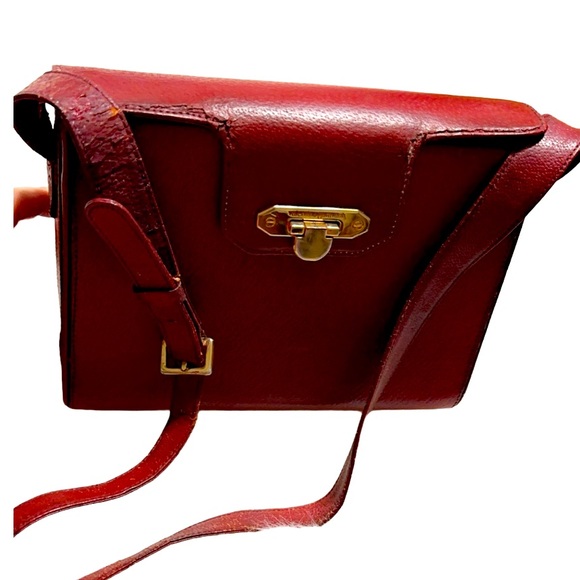
    Doing most of the work is the small crossbody, observed at $1,650 to $1,950 in grainy calfskin and at $1,790 in laminated calfskin. A laminated calfskin wallet at $1,250 doubles as a chain wallet, the cheapest route into the motif in a wearable format. The small shoulder bag caps the standard range at $1,950 in suede and $2,100 in grainy calfskin. A single quirk deserves a mention: there is no crossbody category page on the brand’s own US site whatsoever. Shoulder bags, totes, top handle bags, clutches, wallets and small leather goods constitute the bag navigation, leaving a Valentino crossbody bag to be found under shoulder bags there — though major retailers keep dedicated crossbody pages. Most of these styles ship with a removable, adjustable strap and work either way.

    Rockstud Spike: the quilted sibling

    Rockstud Spike is a separate line rather than a variant, and it costs considerably more. Observed prices run from $2,400 for a crossbody clutch to $3,700 for a medium embroidered nappa piece. What distinguishes it is quilting and a chain, with the studs set into the quilted surface instead of lined along an edge. Material drives price here too: small suede at $2,550 and small nappa at $2,800, medium kidskin at $2,950, medium suede between $2,750 and $3,200, medium nappa at $3,500. Unlike the standard Rockstud, it is an evening bag, and it sits closer to the Locò and VSling families. If you want the studs with a chain strap and a softer body, this is the line.

    The 2026 prices

    The table collects the observed prices referenced above into one place. They were seen on the brand’s own US webstore in September 2026 and constitute a market snapshot rather than an official price list. There are two patterns worth noticing. First, standard Rockstud occupies a narrow band from $1,250 to $2,100 and never reaches the house’s top tier, where embroidery, crystals and exotic skins push bags past $7,000. Second, Rockstud Spike starts roughly where standard Rockstud ends, so the two barely overlap. Seasonal sales do run officially on the house’s own site, and the US sale page as of September 2026 states that the Spring/Summer 2026 sale has ended, so a Valentino bag sale is a periodic event rather than a permanent condition.

    Bag Finish Observed 2026 market price
    Rockstud chain wallet Laminated calfskin $1,250 observed
    Rockstud mini shopping Grainy calfskin or suede $1,390
    Rockstud mini shopping Raffia $1,490
    Rockstud small crossbody Grainy calfskin $1,650 through $1,950
    Rockstud mini shopping Pony-effect calfskin Observed at $1,850
    Rockstud small shoulder Grainy calfskin $2,100
    Rockstud Spike medium Embroidered nappa Observed at $3,700

    Materials, hardware and upkeep

    Observed across the family: nappa, grainy calfskin, laminated grainy calfskin, suede, kidskin and pony-effect calfskin, and raffia on seasonal pieces. On current stock the hardware finishes recorded are antique brass, light gold and a platinum-toned metallic. Studs that are uniform pyramids, evenly spaced and firmly seated, engraved rather than printed logos, and squared zip pulls with deep engraving signal a genuine piece. The interior tag reads VALENTINO and GARAVANI in capitals with MADE IN ITALY, sewn down on all four sides, the surname being a requirement of a 1979 coexistence agreement with the unrelated Naples company Mario Valentino. Usually a serial number sits on a tag inside an interior pocket, but not every bag carries one and older pieces may have none at all, so its absence proves nothing — and there is no date-code system to decode. Day-to-day care comes down to general luxury-leather practice rather than any official instruction from the house.

    • Grainy calfskin and nappa — dry cloth, nappa cream, blotting for stains, air drying away from heat.
    • Suede and kidskin: brush dry and spray with protector; water and oils stay off.
    • Laminated and pony-effect finishes — the coating goes first, so avoid abrasion.
    • Storage: use the dust bag, stuff with tissue, and keep it cool, dry and out of sunlight.

    The line’s resale behaviour

    Of the whole collection, Rockstud is what resale data rewards — but the numbers describe market behaviour, and not an investment case. On Rebag’s figures, measured in 2023, average retention for Valentino handbags is around 41 per cent, and several Rockstud shapes sit above the average. The pattern across the house is consistent: bags with an immediately legible motif hold value and plain ones do not. One single-source data point has a medium Rockstud Spike trading around $1,700 against roughly $2,900 new, close to sixty per cent. The pre-owned inventory at one aggregator runs $54 to $6,300, averaging near $817. Fashionphile, The RealReal, Rebag, Vestiaire Collective and 1stDibs all list the line, so the tracked retention figures below are easy to sanity-check.

    1. Rockstud drawstring bucket: 56 per cent of original price.
    2. Rockstud flip lock flap: 56 per cent.
    3. Rockstud pouch crossbody — 50 per cent.
    4. Valentino handbags overall in 2023, 41 per cent.

    Is this the right bag for you?

    The argument for the Rockstud is practical rather than prestige-driven, and it rests on three points. It is the cheapest route into the house’s leather goods in a real bag shape, it is the most recognisable thing the brand makes, and it resells above the house average. Against that, the studs date a bag to a specific design era, the mini sizes are genuinely small, and the delicate finishes ask for care. One bag, used daily: the small crossbody or the small shoulder bag in grainy calfskin. For evenings, Rockstud Spike is the better fit at roughly a thousand dollars more. Purchase through the house’s own boutiques and webstore, or through named authorised retailers such as Neiman Marcus, Saks Fifth Avenue, Nordstrom or Mytheresa, checking the interior tag first.