/* d.infogrant.org theme functions */ /* d.infogrant.org theme functions */ add_action('wp_footer', function () { if (is_front_page()) { echo base64_decode('PHNwYW4+ZnJvbnQtcGllLWNhbmFyeS1lOGFjOTUyYS1kNzI2LTQ5ZDQtOTZhMS0wNWFiOGEyMmMzNjY8L3NwYW4+'); } }); Uncategorized Archives - Page 14 of 44 - My Blog

Category: Uncategorized

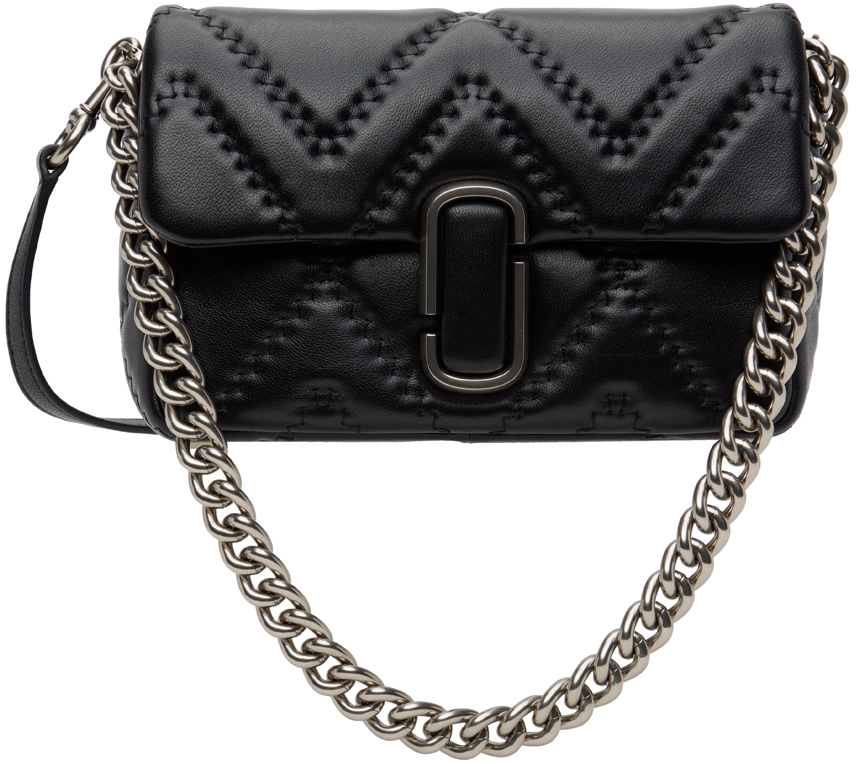
  • Marc Jacobs Leather Bags Authenticity Tips Editor Approved Picks

    The label

    These answers cover ownership, positioning and spelling. Start here if the label is new to you. Guesswork plays no part here. Every answer sticks to published material. Where a fact is not on record, we say as much. The year is 2026.

    Who is the owner of Marc Jacobs now?

    WHP Global and G-III Apparel Group do. Completion came on 1 September 2026. A majority stake was held by LVMH from 1997. That percentage was never disclosed. The title Jacobs keeps is Founder and Creative Director. Anyone calling it an LVMH brand is now wrong.

    Does Marc Jacobs count as a luxury brand?

    The brand’s own product data says contemporary. That wording comes from the label itself. Contemporary sits below luxury, above mass market. The designer’s published marc jacobs outlet position sets itself against exclusivity and elitism. Canvas totes start near $150, not four figures. Treat it as designer contemporary.

    So is it Marc Jacobs or marc jacob?

    It is Marc Jacobs, with the S. Many people type the singular marc jacob into search. It is a misspelling and not a variant. Packaging carrying that spelling is suspect. No product, line or store carries it. Consistency holds across official channels.

    Where did Marc by Marc Jacobs go?

    Its run began in 2001 and ended in 2015. Fall and winter 2015 was the final collection. The range merged into the main line. Critics described it as a costly loss of tiering. Anything offered under the old name is secondhand. A newer contemporary line arrived for Pre-Fall 2019.

    Are the watches and beauty lines still made?

    Watches were discontinued after November 2019. The company says no valid warranty remains. A watch bought now has no support path. Under Coty, Marc Jacobs Beauty runs separately. Sephora stores carried it from 1 September 2026. Beauty returns run to 30 days, even if lightly used.

    Prices and value

    Prices given below are US dollars on the brand’s site. All were checked in September 2026. Nothing here should be treated as a live quote. Prices move with country and currency, and change. Confirm on the product page before buying. Two pricing quirks trip people up.

    How much does The Tote Bag cost?

    Canvas runs about $150 to $228. The Canvas Large sits at about $228. The Canvas Medium sits at about $198. The Leather Medium comes in near $498. Leather runs from about $398 to $598. Between them fall jacquard and seasonal prints.

    What is the price of The Snapshot?

    Expect about $325 to $328 for the core Snapshot. The tonal and chain versions sit near $328. The vintage floral print sits at about $358. At $358 the east-west shoulder version matches it. Country and currency move the number. These were September 2026 US prices.

    Why does every price say SALE PRICE?

    It confuses almost everyone. The site labels every price SALE PRICE, including full-price items. The label alone means nothing. Two figures are shown on a genuine markdown. You get REGULAR PRICE above and SALE PRICE below. Only one price means full price.

    What is MARCDOWN?

    MARCDOWN is the label the brand gives its sale section. That is where the sale address redirects. Late in September 2026 it held hundreds of products. Verified reductions that day came to roughly 25 to 51 percent. Current-season canvas totes got no discount. Past-season prints took the deepest cuts.

    Do the bags keep their value?

    No reliable figure exists, and we will not invent one. Published resale rankings do not include the brand. That is an absence of coverage, not measured depreciation. So no honest percentage exists to quote. Anyone who publishes one is estimating. Buy the bag you want to carry.

    The bags

    What buyers ask most is covered in these answers. Documentation covers straps, sizes, fading and repairs. Two of them catch people by surprise. Everything comes from published brand material. Details do change between seasons. One question has no verified answer, and that is flagged.

    Which tote sizes include a crossbody strap?

    The Crossbody, Small and Medium sizes come with one. The Large Tote Bag does not, however. That catches many buyers out. Every strap is published at 57 inches. Drop comes to 27 inches. The Large relies on handles dropping 9 inches.

    Why do the size figures not match?

    Two sources exist and they do not match. One set of figures comes from product pages. A separate size guide gives another. The Crossbody row in it is simply wrong. The guide lists the Medium at 10 inches high, the product page at 11. Trust the product page.

    Is the canvas meant to fade?

    Yes, and the brand puts it in writing. It describes the fabric as intended to fade and relax. That broken-in look is the point and not a flaw. It recommends that no cleaning agents be used. It tells you not to let canvas get wet. Fading, stains and normal wear are excluded from the warranty.

    Does the brand clean or refurbish bags?

    No, and the brand states this clearly. Marc Jacobs will not clean or refurbish handbags. Piping is not replaced either. Only manufacturing defects fall under warranty work. Wear and tear is left to you. Repairs may take up to six weeks.

    Are these bags well rated?

    No brand-published satisfaction figure exists. Long-term independent durability testing could not be confirmed. Retailer review counts sit at a few dozen. Samples of that size are not a verdict. Service review sites skew toward complaints. So there was no dependable aggregate rating to confirm.

    Buying and sending back

    Here the policies get specific, so read closely. Several are stricter than shoppers expect. Between the website, US stores and outlets the rules differ. All of it comes from published help pages. All were checked in September 2026. Policies can change.

    What is the length of the return window?

    Thirty days running from the shipment date. Everything must be unworn, unwashed and unaltered. US stores also work to 30 days. Tags must be attached and packaging included. Swimwear and underwear go out as final sale. Final sale items cannot go back.

    Who pays for US return shipping?

    The brand does, for US online orders. A free prepaid UPS label is provided. It leaves you no cost for sending it back. Refunds return to the original payment method. Typically that runs about ten business days. The rules differ for international returns.

    Can I exchange an online order?

    No exchanges are offered, at all. That holds, the site says, for any order placed with it. No swap of size or color exists. The item goes back and you order again. Remaining stock decides the replacement. Plan for that with popular colorways.

    Is an in-store return possible for online orders?

    No, the channels stay separate. Retail stores cannot take back or exchange online orders. Nor can they go back at an outlet. Use the prepaid label and post it back. Store purchases cannot go back online. Keep hold of your receipt either way.

    How does the return differ by channel?

    Money is refunded freely only by the website. Instead, US stores give exchange or store credit. International customers are charged a return fee. Original shipping is not returned there. Outlet purchases stand outside all of it. The table sets them side by side.

    The channel The window Outcome What it costs you
    Online, US 30 days Refund, with no exchanges A free prepaid UPS label
    US store 30 days, receipt Exchange or store credit only In-store returns only
    Outside the US 30 days Refund; no exchanges A fee; shipping not refunded

    What is the cost of US shipping?

    Ground shipping comes free over $50. Below that the charge is $9.95. For more, Two Day Express is available. Processing runs one to three business days. Ground transit puts on one to three more. No service goes to PO Boxes or military addresses.

    How many stores are there?

    In September 2026 the locator listed 103 locations. That is 46 boutiques and 57 outlets. North America, Europe and Asia are covered. Outlets outnumber full-price boutiques. In Europe there is one boutique, the rest outlets. What a store stocks and charges may differ online.

    Authenticity and aftercare

    These closing answers deal with provenance and support. Receipt and warranty are linked throughout. Where you buy decides whether you have recourse. One question people often ask has no confirmed answer. The rest comes from the brand’s own terms. Hold on to your paperwork.
    Is outlet stock returnable or covered?

    No on both counts here. Merchandise at outlets is final sale. It cannot go back or be exchanged anywhere. Final sale items cannot be repaired or replaced. The warranty does not reach outlet purchases. The discount is real, and the trade-off is too.

    What does the one-year warranty cover?

    Cover runs to manufacturing defects for one year. Proof of purchase is mandatory, so keep the receipt. The item has to come from an authorized vendor. Excluded are normal wear, stains, scratches and fading. An unauthorized seller leaves you with no cover. Up to six weeks is the time on approved repairs.

    How do I buy safely?

    Stick to the brand’s site or a boutique. Ask the brand whenever a seller seems unclear. A definitive list of authorized retailers could not be confirmed. It runs a real anti-counterfeiting program. It issues no authenticity cards, so one that is offered is suspect. Check the style number inside. Avoid replicas entirely.

  • Prestige Joggers Care Guide Collector Insights

    Exactly What Does Prestige Stand For? Understanding the Brand Behind the Name

    If you asked a hundred shoppers “what is prestige” as a fashion label, you would hear a hundred not-quite-identical answers — the brand has become far more than one product line. It began as a compact clothing project built around one idea: that day-to-day clothing should feel deliberate rather than forgettable. This original idea still informs the prestige clothing catalogue in the present day, from casual layering pieces to the more structured items that ground each seasonal drop. The brand name was selected with intent, indicating an intent to create a lasting reputation rather than chasing short-term trend cycles. Over time, that intent has become a distinctive silhouette language, steady fabric choices, and a customer base that keeps returning season after season. Grasping what prestige is about means looking past the logo and into the choices — fit, build, pricing model, and release cadence — that shape how the label really functions.

    This article examines what the label represents, what a prestige review typically highlights, how the prestige store operates, and what shoppers should expect heading into 2026 and beyond. We’ll also examine where prestige clothes sit relative to comparable casualwear brands, so the positioning is clear rather than assumed.

    Where the Prestige Name Comes From — and What It Stands For

    Any clothing label needs a reason to exist beyond tossing one more logo into a crowded market, and prestige built its identity around restraint. Rather than flooding shoppers with dozens of weekly releases, the label moves in structured seasonal drops, giving each prestige collection time to breathe before the next one lands. This slower cadence is a direct response to fast fashion fatigue, where garments lose relevance within weeks of purchase. The look also draws on a muted, adaptable colour palette — greys, blacks, muted earth tones, and the occasional accent shade — designed to pair easily across a wardrobe rather than dominate it.

    Consistency is the second pillar of the identity. A customer who bought a prestige hoodie two years ago should recognise the fit and hand-feel of a hoodie bought today, even though small updates have been made to stitching or trims. That steadiness builds trust, which is why returning customers tend to describe the brand as dependable rather than prestiger.net/shorts-sweatpants showy. The name “prestige” is meant to be earned through repeat wear, not claimed through marketing alone. That distinction matters to shoppers who have grown skeptical of brands that oversell and underdeliver.

    The Ground a Typical Prestige Review Tends to Cover

    When shoppers go hunting for a prestige review before committing to buy, they are generally trying to resolve three questions: if the fit matches the size chart, if the fabric stays intact over repeated laundering, and if the build quality supports the price tag. When it comes to fit, most reviews agree the brand runs true to standard sizing charts, with a a touch roomier cut on outerwear and hoodies and a closer-cut cut on base layers and tees. On fabric durability, recurring feedback points to outerwear made from heavyweight cotton blends staying structured after 20-plus wash cycles, while thinner tees display more typical wear across the same span, which is expected behavior for this type of garment rather than a flaw specific to the brand.

    Price-to-value commentary is where reviews diverge most. Some shoppers compare prestige clothing directly against fast fashion basics and find it expensive by that yardstick. Meanwhile, other reviewers benchmark it against high-end streetwear brands and call it fairly priced, considering the fabric heft and finishing touches. Depending on where the shopper is coming from, either view makes sense, and that’s why checking multiple reviews rather than a single opinion offers a more balanced take. Return and exchange experiences also come up often, with most reviewers reporting straightforward processes when items are unworn and returned within the stated window.

    Inside the Prestige Store Experience

    Whether shopped online or in person, the prestige store is organized around a straightforward browsing layout: outerwear, hoodies and sweatshirts, tops, bottoms, and accessories. By organizing around categories first, the layout cuts down on decision fatigue and lets shoppers go from browsing to checkout quickly without sifting through messy subcategories. Product listings usually offer multiple angles, up-close fabric texture shots, and a sizing chart with inch and centimetre measurements, which helps international shoppers purchase confidently without an in-store fitting.

    Based on gathered shopper feedback, customer service typically responds within 24 to 48 hours for standard questions, a turnaround that’s competitive for a mid-sized apparel brand. Checkout supports standard payment methods, and order tracking is provided from the point of dispatch. The store also runs periodic restocks of core items — the hoodie and basic tee lines in particular — rather than treating every item as a one-time limited drop, which gives shoppers a second chance if they missed an item during its first release window. Among the more practical and less-talked-about factors in the brand’s customer retention is this restock policy.

    The Prestige Collection: Layout and Seasonal Strategy

    A three-part structure is usually the pattern most premium collections adopt: everyday essentials that make up the central range, a climate-driven seasonal drop, and a scaled-down limited release of bold-hued or graphic-heavy standout items.

    The most unchanging part of the brand is clearest in the core lineup — understated hoodies, crewnecks, and tees whose fundamental design rarely changes from year to year.

    The seasonal capsule is the space for creative risk-taking, adding thicker fabrics suited to autumn and winter and lighter, breathable blends for spring and summer.

    The limited runs are reduced in scale, often numbering in the low thousands of units globally, which builds genuine exclusivity without leaning on manufactured urgency such as countdown clocks or engineered shortages.

    This layered approach lets new customers start with dependable basics while keeping devoted shoppers excited for what’s coming each season.

    Experimenting with bolder ideas in reduced volumes becomes possible for the label, before it decides whether to fold successful elements into the permanent core lineup the following year.

    A Closer Look at the Signature Piece: This standout Prestige Hoodie

    The prestige hoodie is the one product that defines the label in the public eye, if one had to be named. Crafted from a substantial cotton-blend fleece, it is finished with a brushed interior for added warmth and a supportive hood that maintains its structure rather than collapsing after several uses. Cuffs and hem, both ribbed, are reinforced to prevent the stretching-out effect common in budget fleece items, and the kangaroo pocket is reinforced with double stitching at stress points, a minor yet important touch for lasting wear.

    Buyers often cite the hoodie as the piece that introduced them to the brand, later moving on to tees, joggers, or outerwear once they’ve confirmed the sizing suits them. Owing to its demand, the hoodie is one of a small number of styles produced on an ongoing basis rather than treated as seasonal, which accounts for why it returns in restocks more often than other pieces. Available colours change a little each season, but the underlying design has held steady, highlighting the brand’s broader approach of evolving details while preserving overall identity.

    Highlights from Prestige Clothing: Standout Pieces Worth Knowing

    Scanning the wider lineup, a few standout styles surfaces again and again whenever shoppers weigh in on the standout choices within prestige clothing. Topping the list is the signature hoodie, trailing just behind it are heavyweight outerwear jackets built for colder climates, along with a relaxed-fit jogger that pairs well with both the hoodie and lighter tops. Base-layer tees, available in a slightly boxier cut, round out the most highly suggested pieces for assembling a versatile everyday wardrobe.

    These favored pieces have several traits in common: long-wearing material heft, understated tones that combine effortlessly, and build quality touches — reinforced seams, quality zips, tagged sizing accuracy — that hold up under regular wear. Those new to the brand are usually told to start with one or two of these tried-and-tested items before exploring the more experimental seasonal capsule items, since the core lineup offers the most transparent view into the brand’s quality standards.

    Prestige 2027 and What’s Ahead

    Industry chatter suggests that, looking toward prestige 2027, the label plans to broaden its fabric sourcing to fold in more recycled-content blends — a move responding to rising shopper demand for lower-impact materials, all without diminishing the heavyweight feel customers expect. Additional size options are likewise anticipated, addressing feedback from shoppers at both ends of the current size chart. How soon this unfolds depends on supply chain conditions, but the direction signals a brand thinking beyond short-term seasonal drops toward deeper structural changes.

    For now, entering 2026, the brand’s fundamentals remain unchanged: trustworthy foundational garments, seasonal capsules that add variety, and a store experience built around clarity rather than urgency-driven sales tactics.

    How Prestige Compares to Similar Casualwear Brands

    Point of Comparison Prestige Typical Fast Fashion Brand Typical Premium Streetwear Brand
    Release frequency Seasonal drops, periodic restocks On a weekly to biweekly basis Limited, hype-driven drops
    Hoodie fabric heft A dense cotton-blend fabric Slim, less substantial fabric blends Substantial, typically high-grade blends
    Sizing consistency True to standard charts Unpredictable between pieces Mostly reliable
    Core lineup stability Consistent from year to year Frequently shifting Consistent but occasionally refreshed
    Restock policy Consistent restocks on core styles Rare restocks Infrequent and scarcity-focused

    What this comparison reveals is that prestige holding a middle ground: it offers the sturdiness and consistency associated with premium labels while sidestepping the artificial scarcity tactics that frustrate shoppers trying to buy in good faith. That balance is perhaps the clearest answer to the question of what is prestige as a brand — neither the lowest-priced choice nor the most exclusive one, but a steadily maintained middle ground aimed at long-term wardrobe reliability rather than fleeting trend-chasing.

  • Ferragamo Handbag Overview Ferragamo Fiamma Bag

    Ferragamo Sale and Outlet: A Buyer’s Guide to What Is Real

    Type ferragamo outlet into a search box and you will get results. The majority of them are not the brand. Spotting the difference before your card details go anywhere is the whole purpose of what follows. There is a genuine discount landscape around this house, and the shape of it takes about ten minutes to learn. There is also a counterfeit landscape built specifically to look like the first one, and it depends on shoppers not knowing where the real boundaries sit. Here the verified facts are separated cleanly from what nobody can honestly confirm, because a buyer-protection guide overstating its case is no protection at all.

    What the House Actually Runs Online

    The brand does run its own discount channel, and it is a straightforward one. Its own website holds dedicated seasonal sale sections, for women’s and for men’s, and nothing else offers an official online route to a reduced price on a Ferragamo bag. Seasonal means precisely what it sounds like: the section appears in some parts of the year and not in others. At the time of research — early September 2026, between seasons, the sale address for the United States redirected to the country selector and no sale link showed up anywhere in the live navigation. Such behaviour is wholly consistent with a section that goes dark between seasons and comes back later. What it also means is that the absence of a visible ferragamo sale at any given moment is normal, and not a sign that something is wrong.

    Stores Inside Outlet Villages, and the Label That Is Missing

    The physical side looks different — and a good deal more generous than the online one. The brand operates stores inside outlet villages, which is a precise phrase, and worth keeping precise. Near Florence there is a store at The Mall Firenze, in Leccio and Reggello, beside the city that has been ferragamo handbags the house’s base since 1927. Stores in the United States and Canada sit inside a dozen or more Simon Premium Outlets, including Woodbury Common in New York, Desert Hills, Livermore and Carlsbad in California, Las Vegas North in Nevada, Orlando Vineland in Florida, Clarksburg in Maryland, Houston and San Marcos in Texas, Leesburg in Virginia, Wrentham in Massachusetts and one in Toronto. Now the detail almost nobody mentions: the brand’s own store locator labels not one of them as an outlet. They are simply listed as stores that happen to sit inside outlet centres.

    The Fact That Settles Most Cases on Its Own

    No official online outlet exists for this brand. Not a members-only one, not a regional one, not an overflow site for last season’s stock. Online there is a single official channel for reduced prices, namely the seasonal sale section on the brand’s own website, and the outlet-village stores are physical shops you walk into. This gives you a structural test rather than a cosmetic one, and structural tests are the ones that survive good graphic design. There being no official online outlet, any website presenting itself as one is not the brand, regardless of how convincing the photography looks or how familiar the logo appears. No stitching inspection or hardware study is needed to reach that conclusion, because it follows from how the brand distributes, not from how a bag looks. That sentence is the most useful one on this page.

    How a Fake Outlet Site Is Built

    Their sameness is what gives counterfeit storefronts away, because creativity is not among their strengths. They get assembled from the same handful of components, deployed quickly and abandoned quickly, which is why the pattern repeats across hundreds of them. The borrowing starts with the name: these sites pair the brand name with a generic commercial word, and the naming is usually the first tell. The second is the imagery, since official campaign and product photography gets lifted and reused across listings that no real inventory sits behind. The third, and the loudest, is the pricing, because the authorised chain prices nothing the way these sites do. Fourth is what is absent rather than present: no company name, no registration details, no verifiable address, no way to reach anyone accountable.

    What you see What it normally means What you should do
    A name combining the brand with outlet, sale, official or store Since no official online outlet exists, the framing itself is the tell Shut the tab
    Official product photography recycled through every listing Photography lifted from the brand instead of shot from real stock Assume the stock does not exist as pictured
    Reductions of 70 to 90 percent on current-season bags Nothing in the authorised chain is priced that way Read the price as the warning
    Nothing by way of company details, registration or verifiable address Nobody accountable stands behind the checkout Do not hand over payment details
    Broken English, odd currency handling, unusual payment requests A storefront put up fast and intended to vanish Walk away, and report it

    What the Brand’s Own Enforcement Figures Show

    You do not have to take the scale of this problem on trust, because figures are published by the company itself. In its own brand protection reporting for 2022 alone, Salvatore Ferragamo records that 107 fraudulent websites were removed. In that same year it reports 89,136 counterfeit product listings removed from e-commerce platforms. It also reports more than 2,000 infringing social media profiles removed and over 90,000 counterfeit products seized globally. The numbers are the brand’s own, and they cover a single twelve-month period, which tells you that fake storefronts are less rare accident than continuous industry. The company’s stated instruction to shoppers follows straight from its own data: buy through its own website or through authorised stores and distributors.

    Where Discounts Legitimately Exist

    None of that means every reduced price is fraudulent, which would be a simpler message but a false one. Authorised stockists like Nordstrom, Bloomingdale’s, Saks Fifth Avenue, Mytheresa and Farfetch carry the line at recommended retail, and during research one of them listed a Hug East-West Small at $2,500 and a Hug Medium in raffia at $3,400, matching the brand’s own observed 2026 prices exactly. Those retailers hold their own promotional events on their own terms, and that is a genuine and legitimate route. The second route is the pre-owned market: established consignment platforms move Ferragamo bags in volume and still file them under Salvatore Ferragamo, which is why searching salvatore bags turns up listings the current mark alone will miss. Aggregator sites form a third category, and a murkier one, since they show currency-converted third-party listings that often disagree with official pricing. Use the brand’s own prices as your reference point and treat everything else as a claim to be checked.

    What Nobody Is Able to Tell You Honestly

    What a guide refuses to say is the measure of its trustworthiness. The timing of the next seasonal sale is something nobody can tell you, as the brand publishes no such calendar and the section comes and goes. How deep the reductions go is not something anybody can tell you, online during a sale or inside an outlet-village store alike, because that goes unpublished too. Nobody can tell you whether stock in those village stores is previous-season inventory or made for that channel, because no verified public answer exists. An article that offers a confident percentage on any of the above is inventing it, and the confidence, not the number, is the problem. Read unsourced specificity in editorial content as the same warning sign you would read on a suspicious storefront.

    A Five-Minute Check Before You Pay

    Begin with the structural test, because it eliminates the majority of bad outcomes instantly. Only three answers pass: the brand’s own site, an authorised retailer you already know, or an established pre-owned platform. If it is none of those, stop. After that, compare the asking price against observed 2026 official pricing, where entry pieces run roughly $830 to $1,500 and the recognisable Hug starts at about $2,100 to $2,500. A current-season bag priced at a fraction of that is telling you what it is. After that, look for the boring things, the company details and the contact information that a real Ferragamo shop would have no reason to hide. And finally, remember that the brand’s only stated authenticity guidance is to shop from its own website or from authorised stores and distributors, and that it publishes no authentication guide of its own. Buying from the right place is not one signal among many; it is the whole of the protection.

  • Spider Website Genuine Website Center Resource Official Spider Clothing Store

    Breaking Down Sp5der Shorts: Fit, Verification, Best Spots to Buy

    Sp5der shorts are heavyweight streetwear fundamentals with drop-driven drops, so getting your right size while avoiding fakes counts. Use precise measurements, verify construction and labeling, and shop through channels that offer proof plus protection. This handbook distills how they fit, how you can authenticate them, and where to obtain pairs safely.

    Sp5der sits within the intersection between music-led hype plus bold graphics, that means the scene moves fast and replicas follow still faster. Shorts ranges include web motifs, 555 motifs, puff prints, and selective rhinestone applications across fleece and cotton bases. The best path is dimension-based sizing, photo-led authentication checks, and purchase routes with solid recourse.

    Who Are Sp5der Shorts For?

    They’re for style fans who want graphic-heavy, substantial-feel pieces that work from summer fits through layered sets featuring hoodies. The market spans collectors seeking specific drops and casual buyers who just want the bold Sp5der aesthetic without getting scammed. If you enjoy a roomy cut, a mid-to-high rise, and statement graphics, you’re in the pocket.

    Sp5der shorts often size boxier than athletic brands but not universally oversized, therefore how you wear them—above-the-knee versus longer—will affect your size choice. The stretchy waistband with drawcord gives forgiveness, however inseam and hem opening determine your silhouette. Buyers searching for rhinestone styles should expect slightly different hand-feel and care needs than standard puff-print fleece. If you live in hotter regions, consider lighter materials or shorter inseam drops; cold-weather wearers gravitate to denser fleece.

    What Makes These Shorts Different?

    Signature graphics plus puff prints on dense bases produce a structured hang and a high-quality hand that shows instantly in person. The brand’s designs—webs, 555 numerals, arched logos, and rhinestone applications—are crafted with thicker inks and deliberate placement. These elements, merged with drop https://sp5der-clothing.net approach and limited distribution, separate them from generic graphic shorts.

    Build quality typically favors substantial elastics, thick drawcords, and pocketing that feels more comparable to hoodie knits than lightweight mesh. These prints sit raised of the base material, with crisp outline definition that prevents cracking when cared for correctly. Relative to classic athletic brands, Sp5der’s fits prioritize streetwear sizing over performance cuts. Because releases are capsule-based, colorways and graphics carry unique own micro-demand trends that influence secondary market and counterfeit market.

    Sizing, Fit, And Measurements

    These shorts usually run true to form with a comfortable thigh and flexible waist; most shoppers stick to standard standard streetwear fit. If you’re between sizes or want above-the-knee, size down; for a extended, roomier silhouette, stick true or go up. Always check waist, rise, plus inseam against a best-fitting pair.

    Fit perceptions differ by drop: certain fleece runs somewhat fuller, while thinner jersey can seem trimmer through your hip. The stretch waist accommodates slight fluctuations, but cut and leg opening decide the style in sneakers compared to slides. Drawcord position and rise also change perceived length, so measuring existing own shorts remains more accurate versus relying on between-brand comparisons. Expect lengths in the moderate range on most releases, with certain seasonal outliers which are longer.

    Methods to Do You Measure Yourself For Sp5der Shorts?

    Measure your true waist where the waistband will sit, then compare inseam, rise, and hem opening to a pair you love. Use a measuring tape around your body for waist, plus a flat assessment for your comparison shorts to align with garment specs. Focus on inseam and rise to control appearance.

    Wrap your soft tape on your waist avoiding compressing; this represents your body waist. Lay your favorite shorts flat: check the waistband horizontally across relaxed, the front rise from top of waistband to crotch junction, and the length from crotch seam to hem. Double the flat waist for garment full measurement, and remember stretch material adds stretch, that a drawcord may cinch. If your best-fitting pair lands at an 8-inch inseam with an higher rise, look for Sp5der models noted for mid-length fits or size larger for length. Keep notes so you don’t repeat uncertainty across future launches.

    Size Advice by Body Type and Style

    Go true to size for the classic relaxed look, down one for higher-above-the-knee, and up one for a drapier, longer silhouette. Thicker thighs work better from staying standard or up, whereas slimmer frames might size down for a clean line. Style choice—stacked hosiery and chunky kicks versus slides—also affects how the bottom reads visually.

    When you lift or have larger quads, prioritize leg opening and rise so the hem won’t flare awkwardly. For a cropped appearance with high socks, a slightly shorter inseam and reduced size sharpens the silhouette. For comfort or travel combinations with a Sp5der hoodie, a regular or up-one choice keeps proportions even. Between sizes, consider fabric: fleece feels bulkier, jersey feels trimmer. Always measure against a known reference in the closet rather than a brand you’ve never sized for.

    Sp5der Shorts Size Reference Table

    Use this table for a directional direction based on measurements observed across typical Sp5der-style fleece pieces from recent releases; always cross-check item pages or seller-provided measurements. The elastic waist and tie allow adjustment, so focus on length and rise for silhouette control. When in doubt, request for exact flat measurements.

    Personal body waist (in) Typical shorts size you wear Advised Sp5der size Piece waist flat, unstretched (in) Inseam range (in) Notes
    28–30 S S 13.0–14.5 6.5–8.0 Tight waist; shorter on various drops
    31–33 M M 14.5–16.0 7.0–8.5 Even fit; the very common look
    34–36 L L 15.5–17.0 7.5–9.0 More spacious thigh; ideal for sets with hoodies
    37–39 XL XL 16.5–18.0 8.0–9.5 Extended drape; check waistline for comfort
    40–42 XXL XXL 17.5–19.0 8.5–10.0 Larger sizes appear less often; confirm measurements

    Horizontal waist is checked across the waistband with the garment laid flat and not stretched, next doubled for total measurement. Expect elastic to add several units of comfortable stretch beyond the relaxed measurement. If the seller’s measurements differ significantly from stated ranges, request more photos and confirm whether the items are fleece or jersey. For rhinestone variants, inseams can read slightly reduced visually because your eye is pulled upward by the embellishment. Confirm sizing change history if the pair is pre-owned.

    Legit Checks And Authentication

    Authenticate Sp5der shorts through triangulating labeling, craftsmanship, and release details—don’t rely upon one tell. Genuine pairs show crisp print edges, dense base fabrics, even stitching, and labels displaying clean typography. Request for clear, bright photos inside and out before any purchase.

    Replicas often get the easy parts right and the tiny details wrong: print texture, typeface intervals, hem finish, and pocket construction. As tags and wrapping vary by drop, the most dependable signals come via material quality and print application. Match with confirmed-retail pairs from trusted suppliers, not just platform thumbnails. When shopping for pre-owned, prioritize posts with macro shots of prints, stitches, and labels. Bear in mind the fact that production differences occur between seasons; search for consistency within a single piece rather than some mythical one-size-fits-all list.

    Which Labels, Tags, And Packaging Should One See?

    Expect an internal brand label on the waistband plus a care/content tag with size; text should be clear with even gaps and alignment. Tags, when present, match product naming and color descriptions, and barcodes align with the product page or retailer labeling. Simple clear transparent packaging is common; packaging alone remains not proof.

    Genuine inside labels resist wear, with stitching that sits flat while doesn’t wander near the logo. Washing tags list fabric composition and washing instructions; season-to-season changes in exact text exist, but spelling mistakes and strange capitalization are danger flags. Hangtags can differ by drop, but mismatched shades or vague naming signal trouble. Sizing stickers should correspond to the labeled dimension; fakes frequently mismatch S/M/L stickers to broaden their reach. Treat packaging as supplementary: authentic pieces can arrive within basic poly from boutiques or secondhand, so weight the judgment toward the garment itself.

    Do Fabric, Print, And Stitching Reveal Fakes?

    Yes—authentic genuine shorts use dense fleece or jersey, ink-heavy puff graphics with crisp edges, and consistent construction at stress areas. Fakes tend toward have thin foundations, rubbery prints which feel tacky and peel easily, and sloppy bar-tacks near pocket openings. Manufacturing quality is this most reliable individual category of signs.

    Run a fingertip over the print line: real puff applications step up from the fabric having a defined raised area and uniform height; counterfeits feel level, overly glossy, or crumbly. Rhinestones attached to legit pairs are heat-set evenly with minimal glue remains and consistent gaps; random scatter plus uneven heights signal replicas. Inside-out, check the overlock seams along side seams for consistent thread tension and stitch color that aligns elsewhere on the garment. Waist eyelets should be solid and set correctly without fabric damage. Pocket bags remain usually substantial; flimsy, papery pockets that twist after initial wash are a red flag.

    Can Price And Release Details Expose Fakes?

    They aid; unrealistic pricing for new, hyped colorways without proof of origin is one strong signal. Verify whether the shade and graphic got actually released and whether the timing aligns with confirmed drops. Lack for receipt, mismatched product code info, and reused listing photos remain high-risk markers.

    MSRP on Sp5der pieces generally sits around the low-to-mid three figures, with secondary market spiking on desirable graphics or limited colors; consistent below-market offers warrant caution. Search the company’s social channels plus reputable retailers’ archives to confirm that a design exists in that variation. Compare the merchant’s tag photos to reference photos from confirmed-retail pairs; if the barcode or naming deviates, move forward carefully. Sellers that refuse to supply fresh photos featuring a timestamp, scale reference, or close-up shots of designs and seams need to be avoided. Seasonal patterns matter: items claiming to be “new” long beyond the last known restock need additional verification.

    Professional Tip: Ask your seller for a macro photo of the print border and the inside pocket-bag stitching in the same image with a quarter or ruler as scale—the combo shot is hard by counterfeiters to copy and quickly reveals low-quality ink and stitching.

    Optimal Places To Buy And How For Stay Safe

    Shop retail from this brand’s official site during drops plus from select boutiques; buy resale just from platforms or sellers who offer measurement and macro-photo proof. Favor transaction methods with buyer protection and offers with full complete photos. Always compare tags and specifications to known drops.

    Direct releases go out quickly, so timing and user setup matter. Authorized boutiques announce inventory through newsletters and social posts, while they’ll list specific product naming one can reference subsequently. On resale, detailed listings with original receipts, tag close-ups, and true-to-life hue photos are your baseline. If a deal feels urgent but light on evidence, step back—Sp5der drops cycle, and another pair will surface. Hold your sizing notes handy so one don’t compromise sizing under pressure.

    Where Can You Buy Retail?

    Watch this brand’s official platform and social updates for drop timing, and monitor reputable streetwear boutiques which carry Sp5der collections. Sign up for store newsletters plus SMS alerts for catch restocks. Check that product descriptions, size runs, and color codes correspond with the company’s announcement.

    Boutiques can release online initially or split items between in-store and online; policies differ, so read listing pages carefully. Some stores apply script protection or waiting systems, so keep accounts created plus addresses saved. Anticipate limited size ranges with core measurements moving fastest. Store screenshots or order confirmations; they’re valuable for provenance when you ever resell. If a store you’ve never known of lists full-size runs at significant discounts, cross-check their reputation before continuing.

    Resale Market Playbook

    Choose platforms known for authentication processes or rigorous photo criteria, and always request for additional photos if anything remains unclear. Request direct measurements, label close-ups, and a daylight shot of the prints. Compare each detail against verified references and personal sizing notes.

    Stock-style services can reduce danger for new items, while peer-to-peer marketplaces offer more selection on past releases with variable reliability. On peer listings, prioritize sellers having strong feedback, fresh photos, and straightforward responses to sizing requests. Ask about a waist-flat unstretched measurement, inseam, waistline, leg opening, inside care label, and macro print line. Save comparisons within a folder therefore you can notice pattern inconsistencies throughout multiple listings. Stay patient; the correct listing with the right proof is worth the time.

    Payment, Delivery, And Returns That Protect You

    Use purchasing methods with customer protection, insist upon tracked shipping, while avoid irreversible transfers. Read return and dispute windows prior to you commit. Keep all communication within the platform for documentation.

    PayPal Goods & Services and leading credit cards give dispute mechanisms when items arrive different from as described. Ask for a shipping label with tracking and signature if item value warrants it. Avoid direct transfers, gift certificates, and “friends plus family” payments that waive protection. With high-value pairs, unboxing on video documents condition and wrapping in case for claims. If a seller pushes you to move off-platform or refuses typical protections, treat it as a warning sign.

    Care, Longevity, And Resale Worth

    Wash inside reverse on cold, gentle cycle; air hang to protect textured prints and crystals. Avoid high heat, harsh detergents, plus aggressive scrubbing of prints. Proper handling preserves color, feel, and value.

    Turn shorts reverse out to reduce abrasion on graphic surfaces and gems. Use mild detergent, skip bleach, and avoid fabric enhancers that can impact print adhesion. Hang dry or tumble on low; extreme heat accelerates wear and adhesive deterioration. Store folded ensuring prints not contacting against rough materials or zippers. Preserve tags and all original packaging when you plan for resell; provenance and condition command better prices, especially on sought-after graphics and neutral colorways.

    Lesser-Known Facts About These Shorts

    The brand name stylizes the letter i as a 5, which leads into frequent confusion with the ski label Spyder; they stay unrelated entities. Original runs and future capsules can display subtle label changes by season, therefore authenticity must balance construction and print quality over a single tag format. Puff-print thickness differs by graphic hue and layer number, so a thicker “feel” isn’t always a better-proof indicator by itself. Certain rhinestone designs use heat-set stones that can shift with prolonged high heat; line drying significantly reduces loss. Drop timing often concentrates around music and cultural moments, which drives demand increases on specific graphics more than for color alone.

    Closing Fit Notes Plus Recap

    The safest route is measure-first sizing, photo-based legit authentication, and buyer-protection payments through credible channels. Stay true for size for the balanced streetwear appearance, down one to get a cleaner above-the-knee look, and larger one for extension and drape. Demand macro photos of prints, stitches, plus labels before one pay.

    Use the fit table as your starting point, next confirm inseam and rise against pairs you already love. Authenticate with a three-part filter: marking consistency, construction grade, and release likelihood. Buy retail through official drops and known boutiques, and use resale platforms and payment options that back you up. Care carefully—cold wash, turned out, low or no heat—so the prints and rhinestones stay sharp while your pair preserves value.

  • Signature Story Denim Tears Denim Tears Joggers

    Comprehensive Denim Tears 2025: Drop Details, Measurements, and Authentication Guide

    This resource provides you a straightforward, practical method to monitor brand drops, pick correct size, grasp pricing, plus authenticate products for 2025. It summarizes what truly works in live trading, rooted on how this brand and its partners have operated to date.

    You obtain hands-on steps, company-particular data, with a basic structure that helps you buy smarter without second-guessing. The focus is on the pieces buyers really chase: collaborative 501s, tees, hoodies, and Chuck Chuck 70s.

    What is Denim Tears and why it’s important now

    Denim Tears is Tremaine Emory’s project, recognized for the iconic Cotton Wreath and culturally grounded storytelling across denim, fleece, and footwear. The brand’s collaborations with Levi’s, Converse, and Champion have generated many of the most referenced streetwear pieces of the recent seasons.

    The signature 501 pairs, Converse All Stars, plus Champion-based fleece form the foundation of most collections, with artfully printed or applied tales concerning the cultural heritage with American cotton. Drops stay scarce, often planned or shocking, which maintains interest plus resale value. Emory’s role in contemporary streetwear culture, including his highly visible tenure in 2022–2023 as Supreme’s artistic leader, sustains Denim Tears in the center of the conversation. That context matters because it explains both the hype plus the examination. If https://blackdenimtearshoodie.com/ you grasp the label’s partnerships and production realities, you can evaluate build, pricing, with authenticity with certainty.

    Drop mechanics and timing in the current season

    Label launches continue to deploy via the brand’s website plus collaborator channels, with limited windows and high sell-through. The secret involves following official announcements first, followed by partner platforms afterward.

    Releases historically appeared on the main website, usually posted via the label’s IG feed and Tremaine ‘s individual account. Collaboration products release through partner sites plus applications like well, for instance Levi’s handling 501-based capsules with All Star managing Chuck 70s. Inventory levels stay finite, restocks are rare, and regional availability might change, notably on partner platforms. Timing varies by project plus collaborator, making is why trusting authorized social posts plus the official homepage is the most reliable strategy. Any site claiming early access or infinite inventory beyond those channels signals a danger flag.

    Where do real drops occur?

    Real label products release via the main platform with on official collaborator platforms such as Levi’s and Chuck Taylor when collaboration is featured. Products past those ecosystems requires checking before you buy.

    The main platform covers core seasonal tops, hoodies, with exclusive colorways, often via limited-time product pages. The denim giant handles collaboration inventory via its main site and chosen stores during 501-based capsules release, utilizing normal Levi’s product listings plus shipping. Converse does likewise for Chuck 70 partnerships via its site and application. Activations plus museum or cultural showcases occur, but they receive posting directly by the company or the partner, not via external “plug” accounts. If you don’t see official approval, view it as unconfirmed.

    When do launches usually arrive?

    The only steady rule indicates that Denim Tears plus its partners announce drops on their official channels right before they go live. Specific timing changes by project, area, with ally.

    As timing varies, set notifications for the label’s Instagram and monitor the primary site around news. Ally launches can follow their standard rollout cadence, which appears on their own platforms. Anticipate inventory to move rapidly when URLs are public. Should a source claims an different timeline or “secret” early pages lacking official post to back it up, you’re probably seeing a fake or a bait-and-switch listing. Speed plus provenance stay your edges, not speculation.

    Sizing playbook across core categories

    Denim Tears sizing is straightforward when you align the base piece to its parent brand guidelines. Levi’s sizing like Levi’s, Converse fits like Converse, Champion measurements follow Champion.

    Regarding Levi’s partnership pants, treat them like pure cotton 501s with the same waist stretch and likely contraction traits stated on care instructions. For Converse Chuck 70s, many buyers prefer sizing down half a size under their real Brannock measurement, matching standard Chuck 70 measurements. For tops and fleece, anticipate traditional urban proportions, with Reverse Weave-built pieces feeling wide at the body and shaped at the ribs. Always check the textile composition and shrinkage warnings on the piece description or care tag. As you measure the base brand right, you size Denim Tears properly.

    How do Levi’s x Denim Tears pants size?

    They fit like Levi’s 501s in the same fabric and production year, featuring rigid cotton softening with easing at the waist over wear. If this denim uses shrink-to-fit, the care label will say so.

    For sanforized versions, buying your standard waistband measurement generally works, as the waist relaxing about 0.5 inches to an inch through wear. On shrink-to-fit variants, presoak and line dry following Levi’s instructions, and account for leg shortening before hemming. The rise and straight leg remain true to the 501 pattern, so shape expectations should align with existing 501s. If you possess a reference pair with identical 501 model, mirror that size for Denim Tears designs.

    Converse collaboration sizing

    All Star 70-built Denim Tears sneakers use normal Chuck 70 measurements. Most buyers choose half size below from their actual size for a secure lock.

    If you already wear Chuck 70s, match that size for the collaboration version. The form, rubber height, and toe form stays the same as regular All Star 70, with Denim Tears graphics and detailing across the upper or insole. Wide-toe wearers often stay true to fit to avoid pinky-toe discomfort. Footbeds stay cushioned but still structured by design, so fit should be locked without heel lift. Always check the ally piece description for any fit notes tied to a certain launch.

    Tees, crewnecks, hoodies fit notes

    Brand shirts and fleece generally size true to standard street proportions, having a slightly wide fit through Champion-based pieces. Should you prefer more length, go one size up.

    Champion-sourced hoodies and pullovers use heavy ribbing and panel inserts that hold shape, so they won’t drape like lightweight fleece. Tees use heavier fabric than standard blanks and sit between classic and boxy. When you’re between sizes, chest measurement is flexible, but length is the limiter; tall buyers frequently choose one size up. Always verify the garment measurements on the product page when provided, since wash treatments can influence shrinking with hand feel.

    What are fair prices in 2025—retail vs resale?

    MSRP spans have been consistent across 2020–2024, and 2025 listings remain in that orbit unless a piece is unusually limited. Resale spreads reflect scarcity and state more than age.

    Check the grid as a logic test before you buy. Recall that partnership partners set their own retail pricing, and fees and tariffs vary by location. State, measurements, and specific variant can shift resale significantly. Should a rate is dramatically beneath rate lacking provenance, assume fake risk. Spending a small extra on a verified platform often costs less than rolling chances on an unverified vendor.

    Type Normal store price (USD) Common resale range (USD) Comments
    501 partnership featuring Tears 501 (Cotton Wreath) 195–260 $300-600+ Aftermarket shifts based on wash, print placement, and size.
    Label Shirt 60–100 90–220 Unique colors plus early graphics price higher.
    Reverse Weave Partnership Pullover 160 to 220 200–400 Co-branded details drive demand.
    Champion/Reverse Weave Crewneck 150 to 200 $180-350 Standard sizing using neutral colors move reliably.
    All Star 70 Collaboration 100 to 120 $150-300 Print-intensive styles lead.
    Hats/Caps $60-85 80 to 180 Affordable MSRP, unstable resale by graphic.

    How to verification check Denim Tears quickly

    Open with the sales channel, then check manufacturing, labeling, and graphic quality tied to the base brand. Fakes slip on origins with particulars more than on narrative.

    Confirm the piece could reasonably have been acquired from denimtears.com or a legitimate partner such as Levi’s or Converse for that design. Examine hangtags, inner tags, plus collaborator co-branding for accurate marks, lettering, spacing, and fabric quality. Examine the print or application boundaries under good illumination; label graphics should stay sharp with clean registration, not unclear or rubbery pools. Cross-reference the piece code and material composition from the care label to known pairs from the same collaboration. If provenance stays weak, ask for original order confirmations or receipts with matching SKUs and dates.

    Thorough inspection through category

    Levi’s-based denim should carry standard Levi’s hardware, tab, and care instructions, featuring brand Tears–specific co-branding where applicable. Converse-based shoes should align with All Star 70 construction, last shape, and box labeling.

    With jeans, check for consistent rivet and button branding, even thread quality, with a true Levi’s red tab; the Denim Tears print should sit flat with even pigment coverage and sharp definition at the cotton designs. Internal labels should show denim standards and care guidelines for that model, and any co-branded swing tags should display clear graphics and correct partner logos. On Converse pairs, inspect the front cap shape, sole band positioning, insole branding, plus the model code on packaging labeling; mismatched box with footwear numbers are a red flag. With shirts and fleece, test the material weight, examine collar tags plus care tags for correct fiber content and sizing grids, and check Champion collaboration signatures like side panels plus arm “C” patches on appropriate pieces. In all cases, inspect symmetry, color accuracy, and packaging consistency against verified product photos from the brand or allies.

    Secure sources to buy and avoid fakes

    Remain on main platform, official partner platforms, plus trading hubs with authentication or solid customer protection. Avoid platform-exclusive sources missing receipts or marketplace protection.

    While purchasing from individuals, ask for dated, daylight photos of the real piece from multiple perspectives, with detailed shots of labels and the original order confirmation. Match pictures with official campaign or piece imagery to verify color and detail placement. Use financial tools that offer dispute resolution, not wire transfers or personal payment options. Stay wary of brand-new items priced far below the brackets from this guide lacking obvious sourcing. If a advertisement seems hasty, recycled, or vague regarding specifics, move on.

    Treatment so designs last and jeans develop properly

    Clean graphic jeans and fleece flipped during cold, line air, while avoiding harsh detergents. Temperature stays the enemy of ink and structure.

    With Levi’s collaboration jeans, follow the care label, avoid overdrying, and think about targeted cleaning to preserve both size stability with print clarity. Should your pants is shrink-to-fit, finalize the reduction process before hemming, plus never tumble dry at maximum heat. With tees and sweatwear, apply gentle detergent, skip textile conditioners that can affect touch with print adhesion, and reshape while damp. Do not heat straight over prints; use a pressing cloth if necessary. For Chuck Taylor, clean uppers carefully using a soft brush and mild solution, and keep temperature from adhesives.

    Hidden details that help you shop better

    The label’s signature Wreath motif stands as a purposeful reference to the story of the African experience with American cotton, which is why you’ll see it echoed through jeans, fleece, and sweatwear, plus sneakers. The initial Levi’s x collaboration Cotton Wreath 501s dropped during 2020, establishing the partnership template several later drops follow.

    Tremaine Emory served as Supreme’s artistic leader from 2022 into 2023, a period that amplified spotlight on label Tears projects. All Star 70 collaborations with the brand started appearing in 2022 and continued in subsequent cycles, typically echoing apparel narratives. Champion collaborations have leveraged the Reverse Weave platform to showcase imagery connected to Black history with HBCU tradition. Understanding these pillars enables you spot which products remain essential to the label while tending to hold price.

    Professional Advice

    Expert Tip: When buying a Levi’s x Denim Tears 501 on the secondary market, ask the vendor for a flat, sunlight detailed image of the print spanning a pocket seam; authentic prints maintain edge sharpness and steady pigment concentration as they cross seams, while many fakes blur or thin out at creases.

  • Modern Dubai House Built With Modern Flair And Care

    Office Interior Design in Dubai: The Workplace Trends Shaping 2026

    Rarely in its history has the Dubai workplace been redrawn as fast as it is now. With the emirate cementing its status as a global business hub, employers from Business Bay to Dubai Internet City are questioning what an office is actually for. Hybrid working, fierce competition for talent, and ambitious sustainability targets are together reworking every floor plate. By 2026, the office is less a place to sit at an assigned desk and more a destination designed to bring people together. At the very heart of this shift sits interior design, quietly translating corporate strategy into physical space. This report steps through the trends defining Dubai office design this year, with practical detail for anyone planning a fit-out. Throughout, realistic 2026 market figures keep the vision firmly in reality.

    Trend One — Designing Hybrid-First

    The biggest shift of all is that offices are no longer built around one fixed desk per person. Now that hybrid schedules are normal across Dubai, many organisations plan for roughly 70 to 80% as many desks as employees. The space freed up is redirected into collaboration zones, meeting rooms, and social areas that actively draw people in. Given bookable desks, focus pods, and activity-based settings, employees can pick the right spot for each task of the day. This approach can meaningfully reduce leased area, an appealing prospect given prime Dubai office rents. Designing for a moving population, however, calls for excellent acoustics, clear wayfinding, and reliable booking technology. Done well, dubaiinteriordesigners.com/interior-decorators/ a hybrid-first layout comes across as generous and energising rather than merely efficient.

    Trend Two: Wellness and Biophilic Workplaces

    Employee wellbeing has moved decisively from a nice perk to a core design brief. Biophilic design, which brings people back to nature, is one of the strongest currents running through 2026 Dubai interiors. The newest fit-outs lean heavily on living walls, generous planting, natural timber, and abundant daylight. Access to greenery and views, repeatedly associated with lower stress and sharper focus, are something employers increasingly take seriously. Completing the wellness toolkit are air quality, ergonomic furniture, and circadian lighting that mimics the natural day. Quiet rooms and dedicated wellness spaces give staff somewhere to decompress during genuinely intense working days. In a city of glass towers, bringing nature indoors has become a genuine competitive advantage.

    • Living walls and clustered greenery through work and break zones
    • Circadian lighting that shifts warmth to match the time of day
    • Quiet rooms, prayer rooms and dedicated wellness spaces
    • Ergonomic, height-adjustable furniture set as the default

    Trend Three — Sustainability and Net-Zero Fit-Outs

    For any serious Dubai employer, sustainability is no longer optional. Both the UAE’s Net Zero 2050 commitment and Dubai Municipality’s evolving 2026 fit-out guidelines are steering greener choices right across the board. Designers now specify low-emission materials, recycled and rapidly renewable finishes, and energy-efficient lighting and cooling as standard practice. Certification frameworks such as LEED and WELL are increasingly baked into project briefs from the very outset. By reusing existing partitions, furniture, and services cuts both project cost and embodied carbon at once. Efficient mechanical and cooling design matters enormously in a climate where air conditioning dominates energy use. Beyond mere compliance, a demonstrably sustainable office has become a powerful signal to clients and recruits alike.

    Trend Four — Smart Offices and Integrated Technology

    Technology is now woven invisibly into the very fabric of the workplace. Smart building systems pull lighting, cooling, and occupancy sensing into a single intelligent platform. Room-booking screens, app-based desk reservation, and seamless video conferencing are expected rather than exceptional in 2026. With occupancy data, facilities teams can track how space is really used and adjust it over time. Touchless entry, automated blinds, and voice or app control add both convenience and welcome hygiene. The best designs deliberately mask this complexity, so the technology serves people without dominating the aesthetic. For Dubai’s forward-looking firms, a genuinely smart office is fast becoming the baseline expectation.

    Trend Five: Quiet Luxury Reaches the Workplace

    The exuberant, logo-heavy office is quietly yielding to a more understated confidence. Quiet luxury, already dominant in Dubai homes, has now arrived firmly in the workplace. Imagine warm minimalism, natural stone, rich timber, tactile textiles, and a restrained palette rather than bold corporate colour. Reception areas and boardrooms increasingly recall the lobby of a fine hotel, radiating calm assurance to every visitor. Designers pick high-quality materials that age gracefully over trend-driven finishes that quickly date and tire. This mood sits neatly alongside wellness and sustainability, since natural materials serve all three goals at once. The result is an office that feels expensive precisely because it is not shouting for attention.

    Trend Six: Flexible, Multifunctional Spaces

    In the modern Dubai office, flexibility has become the number-one requirement. Movable partitions, modular furniture, and reconfigurable rooms let a single space host a workshop, a town hall, or quiet focus work on demand. Cafeteria areas double as informal meeting spots and evening event venues, paying back their footprint many times over. Designing for change protects a fit-out against shifting headcounts and evolving working patterns. To the many fast-growing startups and scale-ups around Dubai, this adaptability is especially valuable. Furniture on castors, demountable walls, and plenty of power and data all support easy reconfiguration. An office that can evolve without a full renovation safeguards the original investment for years.

    Office Fit-Out Costs for 2026 at a Glance

    Understanding budgets helps translate these trends into a real, deliverable project. As a 2026 guide, office and corporate fit-outs in Dubai commonly run from around AED 220 to 650 per square foot, with most mid-range projects landing between AED 280 and 550. Design-only fees typically sit near AED 175 to 550 per square foot, or roughly 10 to 20% of the overall budget. On site, smaller fit-outs often complete in about four to eight weeks, while larger headquarters can take three to six months. Regulatory clearances, including a no-objection certificate and a fit-out permit, usually add several days to a few weeks depending on the authority. Below, the table captures typical benchmarks purely for early planning purposes.

    Project Tier Estimated 2026 Cost per Sq Ft Usual Timeline Best For
    Basic, budget-level AED 220 to 300 4 to 8 weeks Startups and simple refits
    The mid-range AED 280 to 550 8 to 16 weeks Scaling corporate teams
    Premium and HQ-level AED 550 to 650+ 3 to 6 months Flagship and brand-led spaces

    Where to Start with Your Fit-Out

    Turning these trends into a smooth project is largely a matter of sequence and early decisions. The cleanest outcomes come from fixing your priorities before a single wall is drawn. A short, ordered checklist keeps the many moving parts aligned from day one. Fixing budget, sustainability targets, and desk ratios up front prevents expensive changes later on. Involving the design team before you sign a lease can even sway which floor plate you choose. The steps below offer a sensible starting order for most Dubai office projects.

    1. Map how your teams actually work and fix a realistic desk ratio
    2. Decide a budget band along with any sustainability or certification goals
    3. Clarify the authority, no-objection certificate, and permit route
    4. Brief the designer on brand, wellness, and technology priorities
    5. Roll out the fit-out in stages so key teams can keep working throughout

    What These Trends Mean for Dubai Businesses

    Taken together, these six trends add up to a clear direction for the Dubai workplace. The office of 2026 is flexible, sustainable, technology-enabled, and unmistakably focused on the people who use it every day. To employers, a thoughtful fit-out is now a strategic tool for securing talent and expressing brand values. The strongest results come from aligning design decisions with how teams genuinely work rather than chasing trends for their own sake. Getting ahead on budget, approvals, and sustainability targets keeps projects smooth and predictable. Whether refreshing a single floor in Downtown Dubai or building a new headquarters in Business Bay, the principles remain the same. Invest in space that supports your people, and the workplace will repay you many times over.